Feeding & Nutrition
What Greens and Vegetables Can Reptiles Eat?
A practical guide to safe vegetables for reptiles, including the best greens for bearded dragons and other herbivorous and omnivorous species.
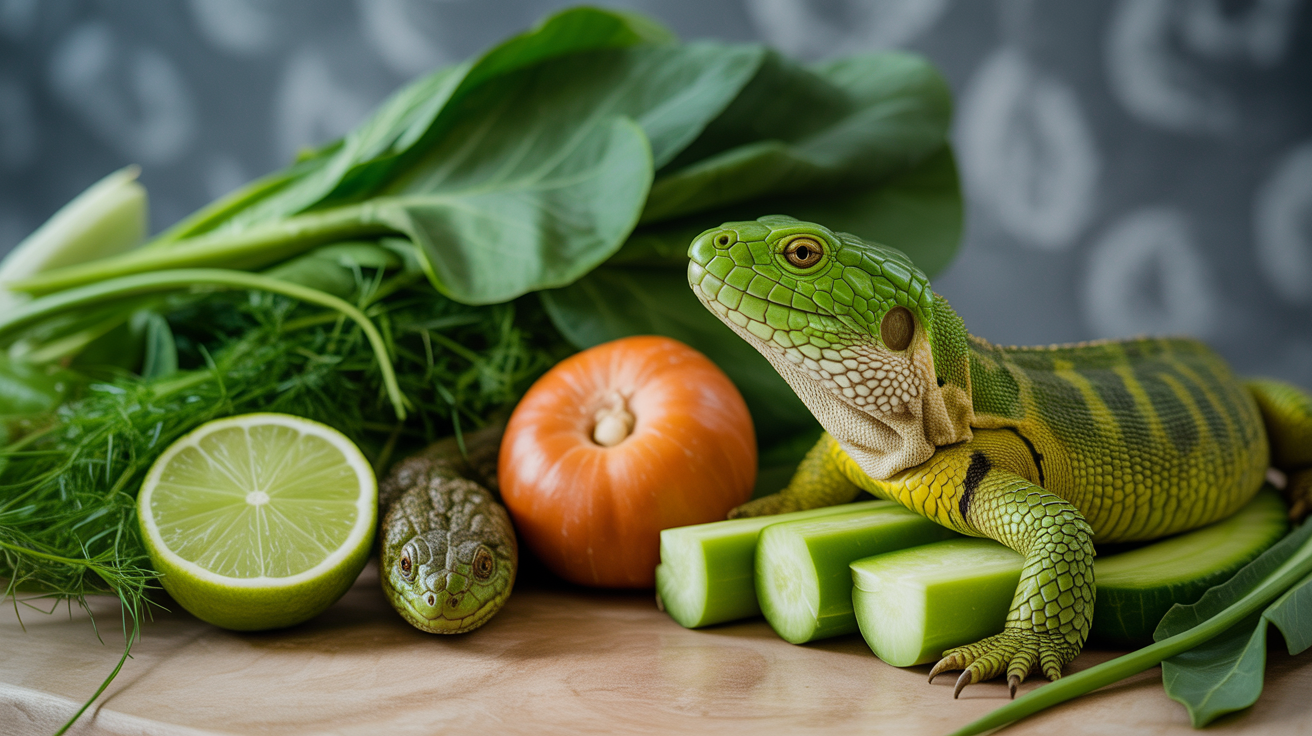
Not every reptile eats greens, but for the ones that do, plant matter is often the bulk of the diet rather than a garnish. Bearded dragons, uromastyx, tortoises, blue-tongued skinks, and many iguana species rely on a rotating mix of leafy greens and vegetables to get the calcium, fiber, and hydration their bodies need. Getting the selection right matters more than most beginners expect, because some common produce items are genuinely harmful when fed regularly.
This guide covers which greens and vegetables are worth offering often, which ones are fine as occasional additions, and which to leave out of the bowl entirely. It also explains why the calcium-to-phosphorus ratio is the metric that ties everything together.
Why the Calcium-to-Phosphorus Ratio Matters
Before getting into specific foods, it helps to understand why reptile keepers talk so much about calcium-to-phosphorus ratios. Calcium is critical for bone density, muscle function, and egg production. Phosphorus competes with calcium for absorption in the gut. When phosphorus intake consistently outpaces calcium intake, the body pulls calcium from bones to compensate, which over time causes metabolic bone disease.
A food with a calcium-to-phosphorus ratio of 2:1 or higher is considered favorable for regular feeding. Foods that tip heavily toward phosphorus, such as spinach, beets, and most fruits, should be limited or avoided as staples. Pair this with proper calcium and vitamin supplements for reptiles and you give your animal a solid nutritional foundation.
Oxalates are another concern. Oxalic acid binds calcium in the digestive tract and prevents absorption. High-oxalate foods, including spinach, beet greens, and rhubarb, are best kept to very small amounts or cut out entirely.
Greens to Offer Regularly
These leafy options have favorable calcium-to-phosphorus ratios, low oxalate levels, and a nutritional profile suitable for regular rotation.
Collard greens are one of the most reliable staple greens available. They have a strong calcium-to-phosphorus ratio (roughly 4:1 in raw form), good moisture content, and most herbivorous reptiles will eat them readily. Chop them small for smaller animals.
Dandelion greens are high in calcium and vitamins A and K. They are also easy to source if you have a pesticide-free yard. Many reptiles seem to prefer the slightly bitter flavor over blander greens. The flowers are safe too.
Mustard greens have a mild peppery flavor and solid calcium content. They work well mixed with other greens so the animal encounters variety without the bowl being entirely one thing.
Turnip greens are calcium-rich and tend to be well tolerated. They pair well with collards in a rotation and are available in most grocery stores year-round.
Endive and escarole are useful for reptiles that get tired of the crunchier greens. Slightly bitter, good moisture content, and calcium positive.
Watercress is a worthwhile addition in moderate amounts. It is high in calcium and vitamin C, though it also contains some glucosinolates, so it works better as part of a mix than as a daily staple on its own.
Vegetables That Work as Additions
These foods are fine to include in the bowl a few times a week but are not nutritionally complete enough to anchor the diet on their own.
Butternut squash is low in oxalates and provides beta-carotene (a vitamin A precursor). Raw or steamed, most lizards accept it without much fuss. The seeds should be removed.
Acorn squash and kabocha squash follow the same logic as butternut. Squash as a category is a useful filler vegetable that adds variety without causing nutritional problems.
Bell peppers are safe and add color to the bowl. Red, orange, and yellow varieties have more beta-carotene than green. They are higher in phosphorus than calcium, so keep them as a minority item in the mix.
Snap peas and green beans can go in occasionally. Both have a mild phosphorus lean, so a small handful mixed in with calcium-rich greens is fine. Avoid canned versions, which often contain added salt.
Zucchini and yellow squash have high water content and low nutritional density, making them a hydration booster rather than a nutrient source. Useful in small amounts.
Carrots provide beta-carotene but are higher in sugar than most leafy greens. Grate or finely chop them and use sparingly rather than as a primary item.
Foods to Limit or Avoid
A few items that appear in standard grocery produce sections can cause real problems if they become regular parts of the diet.
Spinach is high in oxalic acid and should not be fed regularly to reptiles that rely heavily on plant matter. An occasional piece in a varied salad is unlikely to cause issues, but feeding it several times a week blocks calcium absorption in a way that compounds over time.
Iceberg lettuce is not toxic but is mostly water with very little nutritional value. It fills the bowl without providing anything meaningful.
Beet greens contain oxalates and have an unfavorable calcium-to-phosphorus ratio. The same goes for the beets themselves.
Avocado is toxic to reptiles. The compound persin, found throughout the fruit, is harmful and should be kept out entirely.
Onions and garlic belong to the allium family, which is problematic for reptiles. Avoid both.
Rhubarb contains very high oxalate levels and is considered unsafe.
Building a Reptile Salad: A Practical Approach
A well-constructed reptile salad rotates through several greens and adds a vegetable or two for variety. A simple working ratio is roughly 70 to 80 percent leafy greens with the remainder split between squash, bell pepper, or another vegetable item.
For a bearded dragon or blue-tongued skink eating plant matter as a significant portion of their diet, a sample mix might look like this: a base of chopped collard greens and dandelion greens, a small amount of grated butternut squash, a few strips of bell pepper, and a sprinkle of mustard greens or turnip greens. Rotate which base greens you use across the week so the animal does not develop a strong preference for one item.
Chop everything finely enough that the animal cannot sort through and pick out favorites. Offer greens at room temperature rather than cold from the refrigerator, since a cold meal in a cold-blooded animal with a basking temperature of 100 to 110 degrees Fahrenheit (38 to 43 degrees Celsius) can slow digestion.
Wash all produce thoroughly. Pesticide residues on conventionally grown greens are a genuine concern. If you can source organic, that is worth doing. If not, a thorough rinse is essential.
For a fuller picture of how plant matter fits alongside insects and other food items in an omnivore's diet, see what do pet reptiles eat: a beginner's feeding guide. And if you are dusting feeders as part of a mixed diet, the overlap between insect dusting and vegetable feeding is covered in how to gut-load and dust feeder insects.
Frequently Asked Questions
Can reptiles eat romaine lettuce? Romaine is not harmful, but it is not nutritious enough to anchor a reptile's diet. It has more water than calcium, and regular feeding of romaine at the expense of more nutrient-dense greens can contribute to deficiencies over time. Use it sparingly as part of a wider mix, not as a primary green.
How often should I offer greens to a bearded dragon? Adult bearded dragons should have greens available daily. Juveniles are more insect-heavy feeders, but even young dragons benefit from having some greens on offer each day to build the habit early. Omnivorous species like blue-tongued skinks eat plant matter every one to two days alongside protein sources.
My reptile will only eat one type of green. What do I do? This is common, especially with animals that were fed the same thing repeatedly early on. Try hiding the new green underneath the preferred one so the animal encounters it while eating. You can also try mixing very finely chopped new greens into a familiar food so the flavors blend. Be patient and consistent rather than forcing the issue.
Do I need to cook the vegetables before feeding? Raw is generally fine and preferred for most vegetables. Cooking can reduce oxalate content in high-oxalate items, but since those items should be limited anyway, it is rarely worth the effort. Squash can be offered raw or lightly steamed without issue. Avoid any seasoning, oil, or salt.
Can reptiles eat herbs like basil or cilantro? Yes, many reptiles accept fresh herbs. Basil, cilantro, and parsley can be added to the salad mix in small amounts. They add variety without causing nutritional problems and some reptiles seem to find the aromatic compounds interesting. Keep herbs as a small portion of the overall mix rather than a staple.