Feeding & Nutrition
Why Won't My Reptile Eat? Common Causes and Fixes
Reptile not eating? Learn the most common reasons lizards, snakes, and geckos refuse food and what to do about each one.
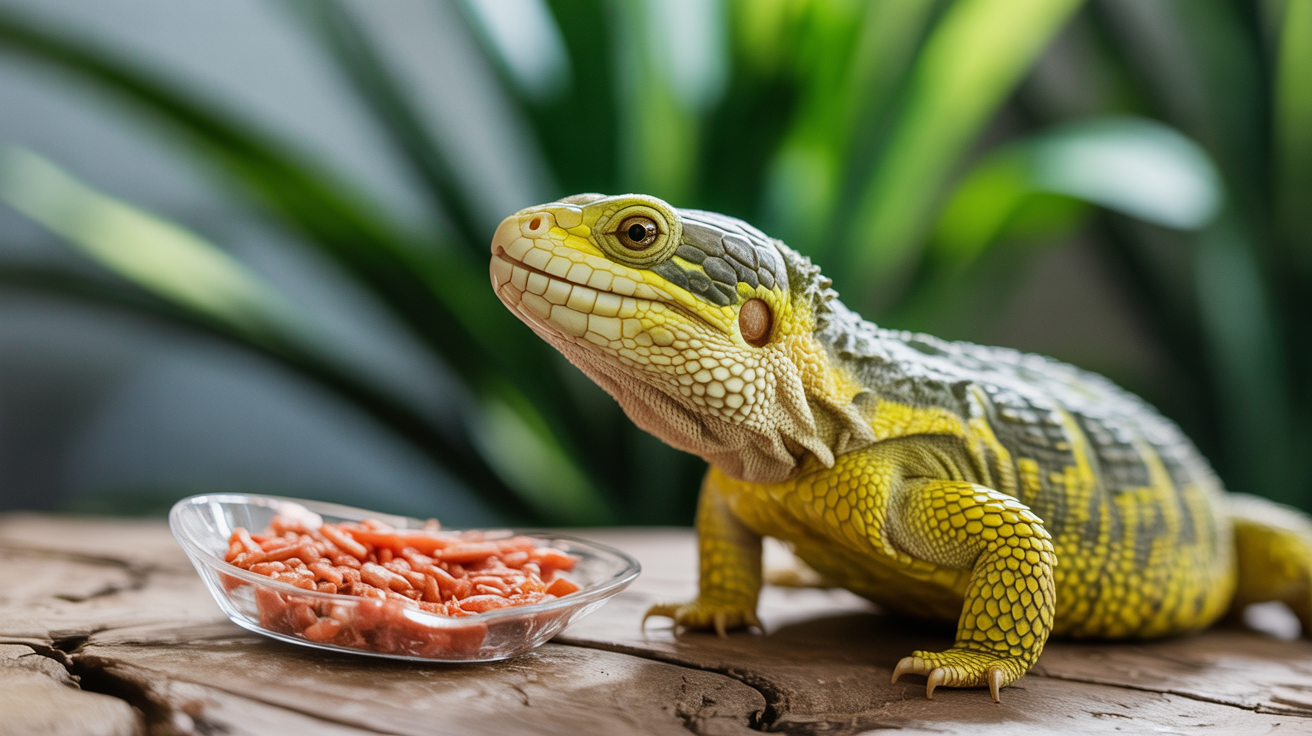
A reptile that stops eating is one of the most worrying things a new keeper encounters. Unlike a dog or cat that skips a meal and bounces back, reptiles can go weeks without food and show very little outward sign of distress, which makes it hard to know whether you are looking at a normal pause or an early warning of something serious.
The good news is that most food refusals have a straightforward cause, and most of them are fixable once you know what to look for. Working through the common triggers systematically is faster than guessing, and it usually points you to the answer within a day or two.
Temperature Problems Are the Most Common Culprit
Reptiles are ectotherms. Their digestion is powered by heat, so if the enclosure is too cold, the animal's gut essentially shuts down. Offering food to a cold reptile is a bit like trying to start a car with a dead battery: the will may be there, but the machinery is not ready.
Check your temperatures before anything else. Basking spot readings should be measured with a digital probe thermometer or an infrared temperature gun placed directly on the surface, not the air above it. Stick-on dial thermometers are notoriously inaccurate and should not be trusted.
General target ranges by common species:
| Species | Basking Spot | Cool Side | Nighttime Low |
|---|---|---|---|
| Bearded dragon | 100-110°F (38-43°C) | 80-85°F (27-29°C) | 65-75°F (18-24°C) |
| Leopard gecko | 88-92°F (31-33°C) | 72-77°F (22-25°C) | 65-70°F (18-21°C) |
| Ball python | 88-92°F (31-33°C) | 78-80°F (26-27°C) | 76-80°F (24-27°C) |
| Crested gecko | No basking needed | 72-78°F (22-26°C) | 65-72°F (18-22°C) |
If temperatures are on target and the animal still will not eat, read on.
The Animal Is in Shed
Pre-shed behavior is one of the most reliable causes of a food refusal that keepers mistake for illness. As the skin loosens and the animal's eyes go opaque (the "blue phase"), most reptiles become defensive, hide more, and stop taking prey. This is normal. Their vision is genuinely impaired, and they are uncomfortable.
Signs of an incoming shed include dull, matte-looking scales, a faded color compared to normal, pink or cloudy eyes, and spending more time in hides than usual.
The fix is simply to wait. Bump the ambient humidity slightly higher than normal, add a humid hide if you do not already have one, and hold off on feeding attempts until the shed is complete and the eyes have cleared. Trying to feed during this window stresses the animal without result.
If sheds are consistently incomplete or the animal is retaining skin around toes or the tail tip, humidity is likely too low on an ongoing basis.
Breeding Season and Brumation
Seasonal food refusals are completely normal for many species, and they can persist for weeks or even months. This catches a lot of first-time keepers off guard because the animal may look perfectly healthy while eating nothing.
Male bearded dragons often go off feed during brumation, the reptile equivalent of hibernation, which typically happens in late autumn and winter even for captive animals kept indoors. Juveniles rarely brumate, but animals over a year old commonly do. Weight loss during brumation should be gradual and modest. A dragon that loses body condition rapidly is not brumating normally.
Male snakes and lizards sometimes stop eating during breeding season because their hormonal state redirects attention away from food. Female animals preparing to lay eggs may also eat poorly for a week or two beforehand as the eggs take up space in the body cavity.
Keeping a feeding log helps enormously here. When you can look back and see that your ball python skipped four consecutive meals last October too, you know you are dealing with a seasonal pattern rather than a new problem.
Stress and Environmental Disruption
Stress is a real and underappreciated cause of food refusal in reptiles. Their nervous system responds to perceived threat by suppressing appetite, and a wide range of everyday situations can trigger that response.
Common stress sources:
- A new enclosure or recent move
- Too many handling sessions, especially right before or after meals
- Enclosures placed in high-traffic, loud, or brightly lit areas
- Insufficient hides (most species want at least one warm-side and one cool-side hide)
- A tank that is too large without enough cover, which leaves the animal feeling exposed
- Other pets or people pressing against the glass frequently
The fix is to reduce stimulation and give the animal time to settle. New reptiles in a fresh setup often need two to four weeks of minimal interaction before they start feeding consistently. Offer food and then leave the animal alone; a watched reptile rarely eats comfortably.
Prey Preference and Food Novelty Problems
Reptiles can develop strong food preferences, and some will refuse a prey item that is a different color, size, or movement pattern than what they are used to. Snakes in particular can lock onto a specific prey type and reject anything unfamiliar.
Common scenarios:
- A snake that was raised on live prey refusing frozen-thawed (or vice versa)
- A lizard that is used to crickets refusing dubia roaches
- An animal rejecting dead prey that is not warmed adequately (frozen-thawed rodents should be warmed to around 99-100°F / 37-38°C before offering)
If you suspect a prey preference issue, try warming the prey item more thoroughly, scenting it by rubbing it against something the animal recognizes, or offering the prey at dusk when many species are naturally more alert to hunting cues.
For diet fundamentals across different species, the beginner's feeding guide covers prey types, feeding schedules, and portion sizing. If the animal is eating insects but not eating as readily as it used to, check that your feeder insects are being properly gut-loaded and dusted before each feeding session. Poorly nourished feeders are less appealing and nutritionally incomplete. And if your reptile is eating but seems thin or lethargic despite a consistent feeding schedule, low calcium and vitamin supplementation can be part of the picture.
Illness, Parasites, and When to Call a Vet
When none of the above explains the refusal, or when the animal is losing visible body condition, showing labored breathing, has discharge around the nose or eyes, or has changed its posture or movement, you need an exotics vet.
Parasites, respiratory infections, mouth rot, and internal abscesses all suppress appetite, and none of them resolve on their own. A fecal float test can check for internal parasites, and it is worth running one as part of a baseline checkup for any new reptile even if appetite seems normal.
Weight tracking is the most practical home-monitoring tool you have. A small kitchen scale accurate to 1 gram lets you weigh the animal monthly and spot a downward trend before it becomes serious. A healthy reptile that skips a few meals should hold steady on the scale. One that is losing weight while not eating needs veterinary attention promptly.
Frequently Asked Questions
How long can a reptile safely go without eating?
It depends heavily on species, age, and body condition. Adult ball pythons and other large constrictors can safely fast for weeks to months during breeding season. Bearded dragons and most lizards should not go more than two to three weeks without eating without a check-in from an exotics vet. Juveniles of all species need more frequent feeding and should not skip more than a week or so before you investigate.
Should I try to force-feed my reptile?
No. Force-feeding is stressful, carries a real risk of injury to the esophagus, and should only be done by or under direct instruction from an exotics vet. The cause of the refusal needs to be identified first. Force-feeding without addressing the underlying reason makes things worse.
My bearded dragon went off food in winter. Is it brumating?
Possibly. True brumation looks like long sleep periods, minimal activity, and reduced or absent appetite over several weeks in autumn and winter. Check that temperatures are still correct, weigh the animal weekly, and offer water a few times per week. If the dragon maintains its weight and resumes activity in early spring, brumation is the likely explanation. If weight drops sharply or the animal looks ill rather than sleepy, see a vet.
Does handling affect whether a reptile will eat?
Yes. Handling within 48 hours of feeding can cause some reptiles to regurgitate, and handling right before an attempt can put the animal on alert rather than in a relaxed hunting state. A simple rule is to offer food first and hold off on handling for 48 hours after a successful meal.
My snake ate fine for months and then just stopped. What changed?
Ball pythons are well-known for unpredictable fasting periods that can last months with no identifiable cause and no lasting health effects. Verify temperatures and humidity (aim for 60-80% for ball pythons), check the shed cycle, and rule out any changes in the environment. If the animal maintains its weight, most keepers simply keep offering prey every seven to ten days and wait it out. Weight loss, regurgitation, or changes in behavior warrant a vet visit.