Getting Started
Kid-Friendly Reptiles: Which Pets Suit a Family?
Bearded dragons, leopard geckos, and corn snakes are reliable picks for families. Here's how to match the right reptile to your kids' ages and your setup.
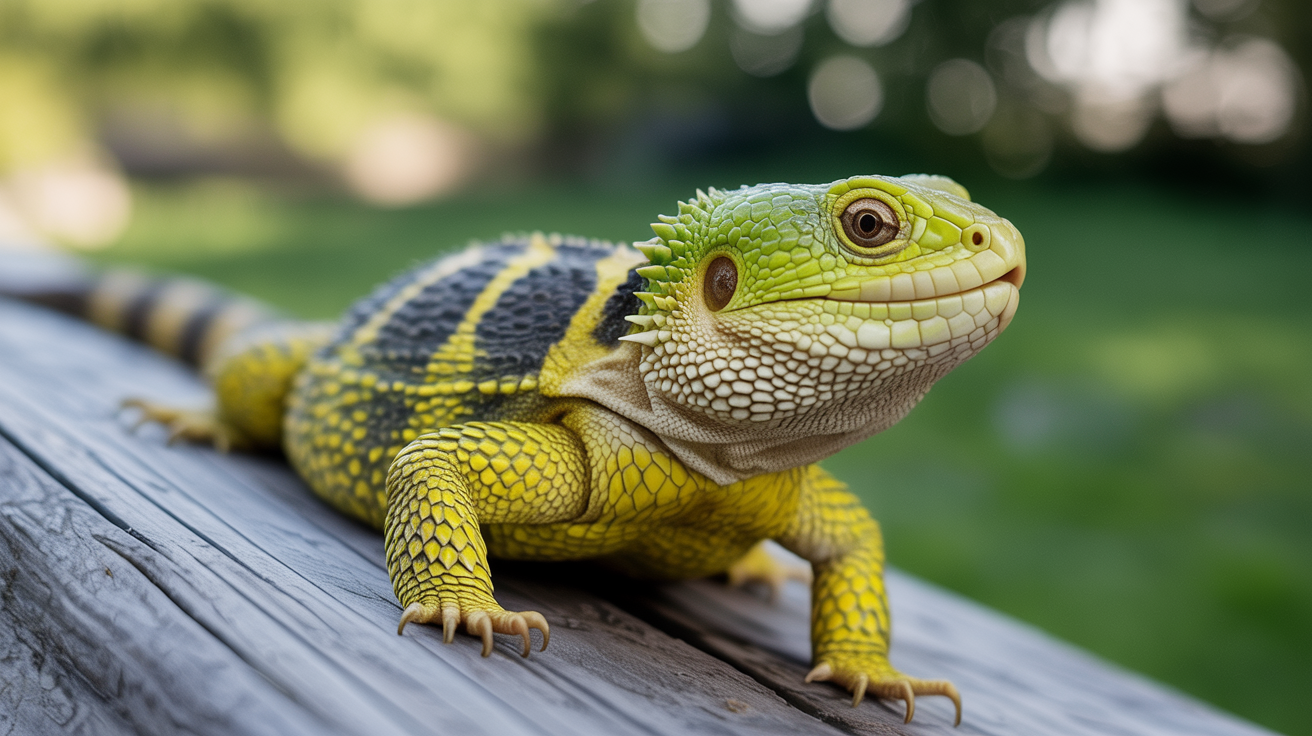
Reptiles can work well in a family setting, but not every species tolerates the unpredictable energy of children. The ones that do share a few traits: they stay calm when handled frequently, their enclosures are manageable for adults without specialist knowledge, and they eat foods that do not require much live-prey drama. Size matters too. A juvenile bearded dragon grows to around 18 inches; an adult green iguana can hit six feet and has a temperament to match.
Before picking a species, check out the best pet reptiles for beginners for a broader overview of what distinguishes a manageable pet from a demanding one. This guide focuses specifically on which animals hold up well in a home where children will want to watch, interact, and eventually help with daily care.
The Three Most Reliable Picks for Families
These species come up repeatedly because they have been in captive breeding programs long enough that breeders have reliably selected for calm temperaments. Wild-caught animals are a different matter entirely; always look for captive-bred specimens.
Bearded dragons are probably the most popular family reptile for good reason. Adults are large enough to handle without feeling fragile, they rarely bite unless genuinely provoked, and most of them become comfortable with regular contact from a young age. A juvenile can start in a 40-gallon tank; an adult does better in a 75-gallon or larger. Basking spot temperatures run 100 to 110°F (38 to 43°C), with a cool side around 85°F (29°C) and nighttime temperatures no lower than 65°F (18°C). They need UVB lighting on a 12-hour cycle and eat a mix of dark leafy greens and feeder insects dusted with calcium.
Leopard geckos stay small, around 8 to 10 inches for an adult, and are genuinely low-maintenance once the enclosure is correctly set up. They are nocturnal, which can actually suit a family schedule. A 20-gallon long tank works for one adult. The warm side of the enclosure needs to stay around 88 to 92°F (31 to 33°C); the cool side can match ambient room temperature, roughly 70 to 75°F (21 to 24°C). They eat live insects, primarily crickets and dubia roaches, dusted with calcium and a multivitamin supplement on a rotation.
Corn snakes are among the calmest snake species available to beginners. They are slender and active enough to be interesting, but slow enough that children do not panic during a hold. They rarely strike without significant provocation. A 40-gallon tank suits an adult. They need a warm hide around 80 to 85°F (27 to 29°C) and a cool hide at 70 to 75°F (21 to 24°C). Unlike lizards, they do not need UVB, which simplifies the equipment list considerably. They eat pre-killed or frozen-thawed mice, which can be bought in bulk and kept in the freezer.
What to Avoid When Children Are Involved
Some popular reptiles look appealing but create real problems in a family household.
Green iguanas are sold as juveniles at reasonable prices, but they grow large and many become territorial and aggressive as they mature. An adult iguana has a whip-like tail that can cause injury. They also need very large enclosures, often custom-built, and their diet and UVB requirements are demanding. Skip them unless your family is prepared for a decade-long commitment to a large, sometimes difficult animal.
Chameleons have striking colors and are fascinating to watch, but they are fragile and stressed by frequent handling. They are poorly suited to children who want an interactive pet. Their humidity and ventilation requirements are also more complex than most beginner setups can reliably maintain.
Wild-caught animals of any species tend to be significantly more defensive than captive-bred individuals and often carry internal parasites. For a household with children, captive-bred is not optional.
Age-Appropriate Handling and Safety Rules
Every reptile in this guide can carry Salmonella bacteria without showing any signs of illness. That is not a reason to avoid them, but it does require a firm and consistent routine. Wash hands with soap and water before and after every handling session, before eating, and before touching the face. Keep reptiles away from food preparation areas. This applies to all ages, but it is especially important to reinforce with younger children.
For children under six, direct handling is less important than supervised observation. A child that age can participate meaningfully by watching feeding, helping drop leafy greens into a bearded dragon enclosure, or learning to read the temperature gauge. As kids get older, around eight or nine, they can hold calm animals with an adult present.
A few rules worth setting from the start:
- No grabbing at the reptile from above. That triggers a defensive response in most species because they associate overhead movement with predators.
- Support the body fully during holds. Never dangle an animal by its tail.
- Keep handling sessions under 15 to 20 minutes for most species.
- If the animal shows stress behaviors (gaping mouth, rapid tail movement, frantic attempts to escape), return it to the enclosure immediately.
Quick Comparison: Family-Friendly Species at a Glance
| Species | Adult Size | Minimum Tank | Warm Side | Cool Side | UVB Needed? | Handling |
|---|---|---|---|---|---|---|
| Bearded dragon | 16 to 24 in | 75 gal | 100 to 110°F / 38 to 43°C | 85°F / 29°C | Yes, 10 to 12% | High tolerance |
| Leopard gecko | 8 to 10 in | 20 gal long | 88 to 92°F / 31 to 33°C | 70 to 75°F / 21 to 24°C | Optional (5%) | Moderate to high |
| Corn snake | 3 to 5 ft | 40 gal | 80 to 85°F / 27 to 29°C | 70 to 75°F / 21 to 24°C | No | High tolerance |
The "optional" UVB for leopard geckos reflects current keeper practice. They do not require UVB the way a bearded dragon does, but a low-output bulb at moderate distance appears to benefit long-term health, and many keepers now include it as a standard part of the setup.
Setting Up Children as Actual Caretakers
One of the more rewarding aspects of a family reptile is that children can take on real responsibility, scaled to their age. A nine-year-old can check temperatures with a digital thermometer, refill a water dish, and prep a salad for a bearded dragon. A twelve-year-old can track feeding schedules and notice when something seems off, such as a gecko that has skipped two feedings outside of a shed cycle.
Before committing to any species, it is worth reviewing how much it costs to keep a pet reptile. Setup costs for a bearded dragon easily reach $300 to $500 once you factor in a proper enclosure, a T5 UVB fixture, a thermostat, a basking bulb, and starting supplies. Ongoing costs include feeder insects and fresh produce weekly. Knowing the full picture before you buy prevents the animal from being neglected once the novelty wears off.
If your family is still deciding between a reptile and an amphibian, the guide on reptiles versus amphibians for pet keepers covers the practical differences. Amphibians like dart frogs are often watch-only pets that do not tolerate handling at all, which suits some households but disappoints children who want interaction.
Frequently Asked Questions
What is the easiest reptile for a child's first pet? Leopard geckos are often the first recommendation because they stay small, their enclosures are simple, and they are hardy animals when kept at correct temperatures. Bearded dragons require more equipment and a larger enclosure but tend to be more interactive, which many kids prefer. Either can work; the right choice depends on how much space and budget the family has.
Can a reptile bond with a child the way a dog does? Not in the same way. Reptiles do not have the social cognition that underlies mammal bonding. What you do get over time is an animal that becomes habituated to handling and shows less stress response around the people who care for it regularly. That can look like a comfortable relationship, and in a practical sense it is. It just is not attachment in the mammal sense of the word.
How do I protect my kids from Salmonella? Consistent handwashing is the key step. Wash hands immediately after handling any reptile or touching its enclosure, before eating, and before touching your face. Keep reptiles out of kitchens, bathrooms, and any space where food is prepared or eaten. These are straightforward precautions that make the risk manageable for most healthy families.
What happens if a reptile bites a child? For the species in this guide, bites are generally minor. A leopard gecko or corn snake bite is comparable to a small scratch. Clean the area with soap and water. A bearded dragon bite involves more pressure but still rarely requires medical attention in a healthy child. Clean any bite that breaks the skin thoroughly and monitor for signs of infection. If you have concerns, an exotics vet or a doctor familiar with animal bites can advise you.
At what age can children take on real care responsibilities? Simple tasks like dropping food into the enclosure or refilling a water dish are reasonable from around five or six with close supervision. More active participation, including handling, suits children around seven or eight. Independent responsibility for daily care, with an adult checking in regularly, fits preteens better than young children.