Health & Care
Reptiles and Salmonella: Safe Handling and Hygiene
Many reptiles carry Salmonella naturally. Learn who's most at risk, how to wash hands properly, and how to clean enclosures safely to protect your household.
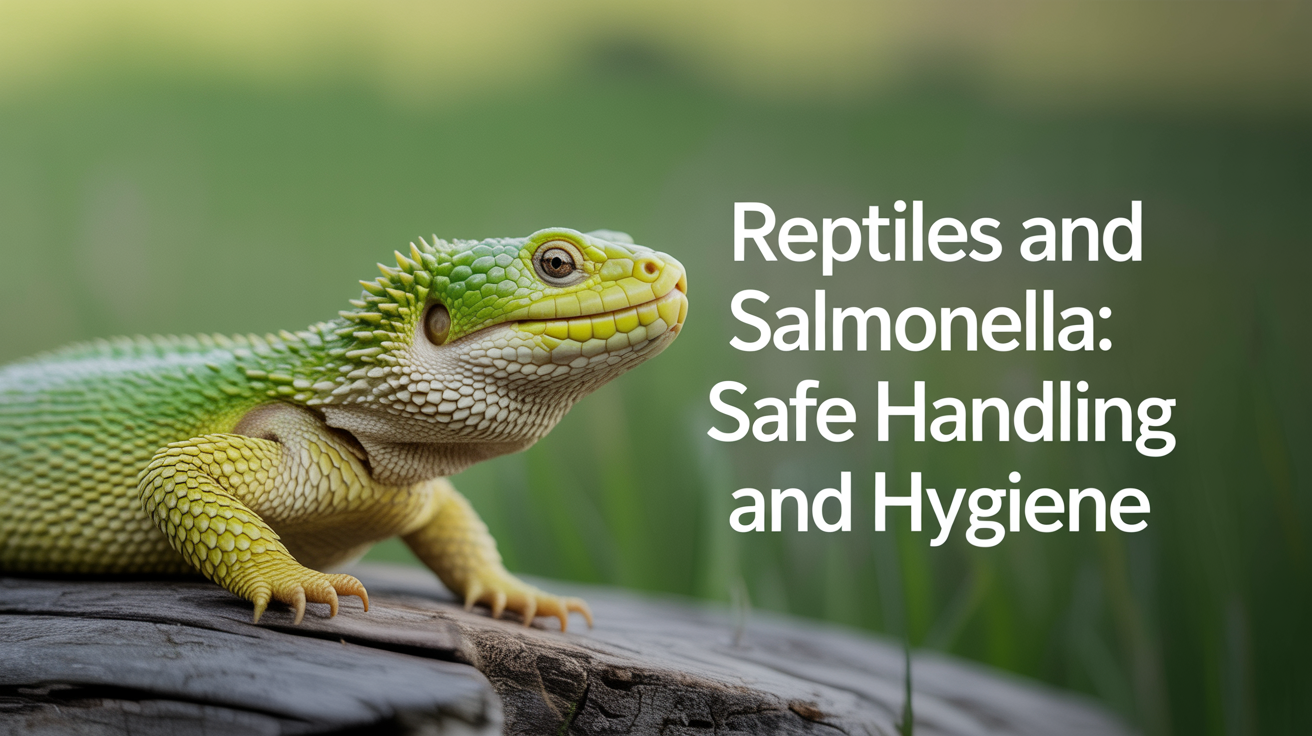
Reptiles are rewarding pets, but they come with a biological reality every keeper needs to understand from day one: many carry Salmonella bacteria naturally, without showing any signs of illness. The bacteria live in their digestive tract and can be present on their skin, scales, and in their waste, even when the animal looks and acts completely healthy.
This doesn't mean reptiles can't be kept safely. Millions of people keep reptiles without getting sick, because they follow consistent hygiene practices every time they handle the animal or clean the enclosure. The key is understanding the risk and building habits that keep it low.
Do Reptiles Actually Carry Salmonella?
Yes. Salmonella is part of the normal gut flora in many reptile species, including bearded dragons, ball pythons, leopard geckos, turtles, and iguanas. It doesn't make the reptile sick, but it can cause serious illness in people.
The bacteria shed in feces and can transfer to the animal's skin and to surfaces they contact, including the inside of the enclosure, food and water dishes, and your hands after holding them. You don't need to see droppings on your hands for the transfer to happen. A brief hold is enough if you don't wash up afterward.
If you want a baseline picture of your animal's health, regular exotics vet checkups are the right approach. A vet can run a fecal culture to check for bacterial shedding and assess overall condition, including things you might not notice on your own. At home, watch for the behavioral and physical cues described in our guide on signs of a healthy reptile and warning signs of illness.
Who Is Most at Risk
Healthy adults with normal immune function typically handle exposure without getting seriously ill, or experience only mild, short-lived symptoms. The people most at risk include:
Young children under five. Their immune systems are still developing, and they're more likely to touch their face or food without washing hands first. Infections in young children can be severe and sometimes require hospitalization.
Adults over 65. Immune function declines with age, which increases the chance that an exposure becomes a serious infection rather than a minor one.
Anyone who is immunocompromised. This includes people on chemotherapy, organ transplant recipients, people living with HIV, those on long-term corticosteroids, and anyone else whose immune response to pathogens is reduced.
Pregnant people. Certain Salmonella strains can affect pregnancy outcomes, so additional caution applies.
If anyone in your household falls into one of these groups, reptiles may not be the right fit. If you do keep a reptile in a household with at-risk individuals, stricter hygiene is necessary, the reptile should be kept out of shared food prep areas, and anyone who develops gastrointestinal symptoms after contact should see a doctor.
Safe Handling and Hand-Washing Routine
Hand-washing is the most effective protection available. Here is how to make it count:
Wash with soap and running water immediately after handling. Not a quick rinse, but at least 20 seconds of scrubbing, including under fingernails and between fingers. Regular soap works fine; antibacterial soap is not required.
Don't touch your face, food, or other people before washing. Salmonella transfer almost always happens through the hands-to-mouth route.
Keep reptiles out of the kitchen and food preparation areas. Enclosure items such as decor, food dishes, and the animal itself should never be washed in the kitchen sink. Use a dedicated utility sink or a plastic tub kept for reptile tasks only.
Don't eat, drink, or smoke while handling reptiles or cleaning the enclosure. These are easy ways to accidentally ingest bacteria without realizing it.
Supervise children closely. If children are handling the reptile, have them wash their hands immediately afterward before they do anything else. Young children should not handle reptiles unsupervised.
Use gloves for cleaning, but don't rely on them alone. Gloves help during enclosure scrubbing, but they should be removed carefully and disposed of or washed, and hands should still be washed afterward.
Enclosure-Cleaning Hygiene
The enclosure is where Salmonella concentrations are highest. Droppings, shed skin, and pooled water all contribute. A consistent cleaning routine keeps bacterial load manageable.
Spot-clean daily. Remove visible droppings and soiled substrate every day, or as soon as you notice them. The longer waste sits, the more surface area the bacteria can colonize.
Deep-clean the enclosure once a month, or more often if you notice buildup. Remove everything, scrub surfaces with a reptile-safe disinfectant or a diluted bleach solution (1 part bleach to 10 parts water), rinse thoroughly, and allow everything to air-dry completely before reassembling. Bleach residue and fumes can harm reptiles, so rinsing is not optional.
Replace porous substrate on a schedule. Loose substrates like coconut coir absorb bacteria and can't be fully disinfected through spot-cleaning. Replace them regularly rather than trying to stretch them indefinitely.
Wash food and water dishes separately from household dishes. A dedicated set of tongs and scrub brushes for reptile enclosure work keeps cross-contamination out of your kitchen.
Wash hands after any contact with the enclosure, not only after holding the animal. Adjusting decor, replacing a water dish, or even lifting the lid counts as exposure.
Reptiles and Households with Infants
Public health guidance on this is straightforward: reptiles and amphibians are not recommended in households with children under five, and particularly not where infants are present. The risk of severe Salmonella illness is highest in the youngest children, and infants can't wash their own hands or understand not to put their hands in their mouths.
If a new baby is arriving in a household that already has a reptile, the animal needs to be kept in a space the infant cannot access, hygiene protocols must be followed by every adult and older child in the house, and the reptile should stay away from infant feeding and changing areas entirely.
If you're ever uncertain about an animal's health while managing these precautions, consult an exotics vet. A sick reptile with a compromised gut can shed higher bacterial loads, so keeping up with health monitoring matters for both the animal and your household. For what to watch for at home, our guide on signs of a healthy reptile and warning signs of illness is a useful reference.
Frequently Asked Questions
Can I get Salmonella just from touching my reptile? Yes. Skin and scale contact can transfer bacteria even when the animal looks healthy and clean. Handling alone is sufficient exposure if you don't wash your hands afterward.
How would I know if my reptile is shedding Salmonella? You can't tell by looking. An exotics vet can run a fecal culture to check, but even reptiles that test negative can shed intermittently. The practical approach is to treat every animal as a potential carrier and maintain hygiene consistently, rather than assuming a particular animal is bacteria-free.
What symptoms would I notice if I got Salmonella from my reptile? Typical symptoms include diarrhea, stomach cramps, fever, nausea, and vomiting, usually appearing within 12 to 72 hours of exposure. Most healthy adults recover in four to seven days without treatment. If symptoms are severe, if a child under five is affected, or if anyone in a high-risk group is ill, see a doctor promptly.
Is there a disinfectant that kills Salmonella on enclosure surfaces? Diluted bleach at a 1:10 ratio with water is effective and inexpensive. Rinse thoroughly and allow full drying before returning the animal. Some reptile-specific disinfectants are also labeled as effective against Salmonella; check the product for efficacy claims against Salmonella spp. before buying.
Does every reptile carry Salmonella? Not every individual does, and prevalence varies across species, but the risk is present broadly, including across lizards, snakes, turtles, and frogs. Captive-bred animals are not necessarily safer than wild-caught. Manage the risk with consistent hygiene rather than assuming your specific animal poses no risk.