Health & Care
Signs of a Healthy Reptile (and Warning Signs of Illness)
Learn to read your reptile's body language and physical condition. Covers clear signs of good health and the warning signs that mean a vet visit is overdue.
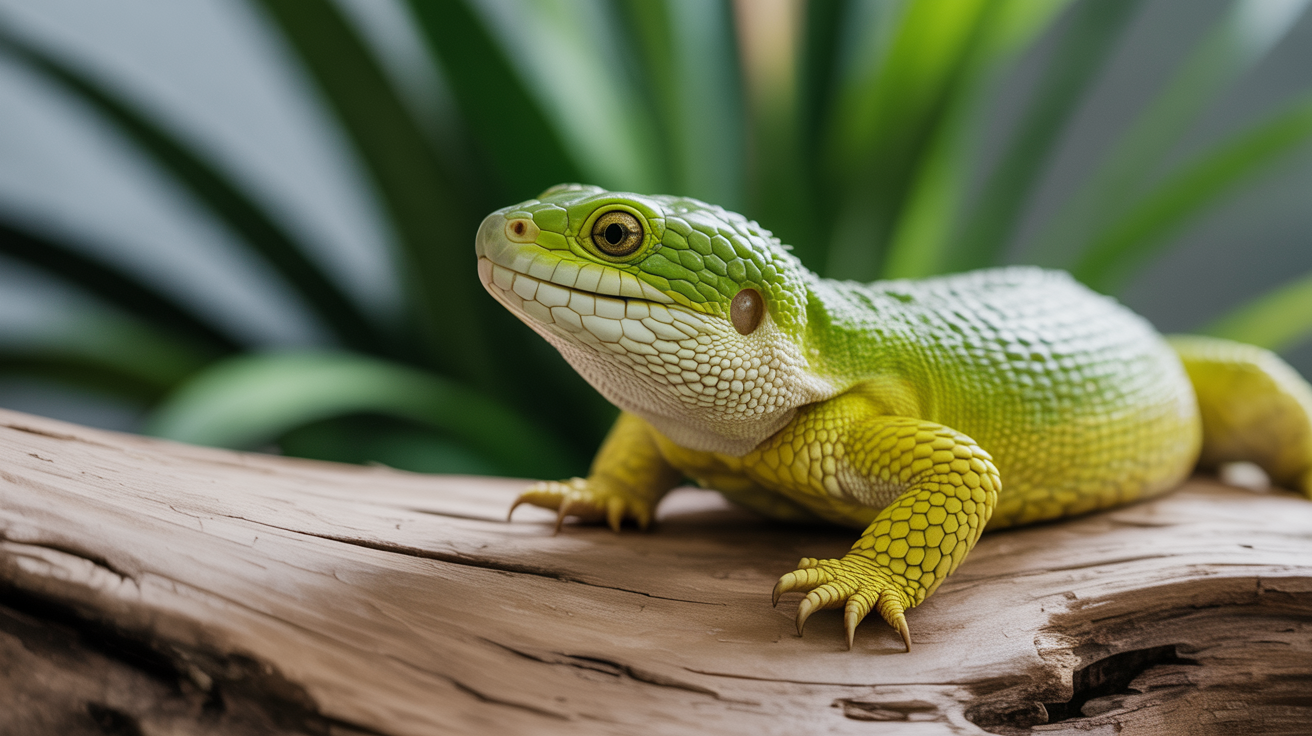
Knowing whether your reptile is thriving or struggling is one of the most important skills you can develop as a new keeper. Reptiles hide illness well, it's a survival instinct, so by the time symptoms are obvious, the problem has often been building for weeks. The good news is that a daily two-minute observation habit will catch most issues early.
This guide walks through what healthy looks like, what concerning looks like, and which body systems to watch most closely. Any warning sign mentioned here warrants a call to a qualified exotics vet, not a wait-and-see approach.
What a Healthy Reptile Looks Like Day to Day
Eyes
Clear, bright, and fully open (outside of a normal shed cycle). Both eyes should be the same size and move independently in species that do that (chameleons, geckos). A healthy eye has no crust, discharge, or cloudiness except during the pre-shed phase, when eyes turn a distinctive blue-grey as the spectacle (the eye cap) lifts.
Sunken eyes can signal dehydration. Swollen or closed eyes outside of a shed often point to an infection, injury, or vitamin A deficiency.
Posture and Muscle Tone
Pick up your reptile and feel how it moves. A healthy snake should resist gently being coiled into an unusual position and have consistent muscle tone from head to tail. A healthy lizard should grip your hand firmly. Floppiness, a drooping head, or a body that feels limp are red flags.
For chelonians (turtles and tortoises), limbs should retract when you approach. A tortoise that can't pull its legs in or holds its head at an odd angle needs veterinary attention fast.
Weight and Body Condition
Run a finger gently along the spine. In most lizards and snakes, you should not be able to see individual vertebrae or prominent hip bones. A snake that looks like a bicycle chain has lost significant mass. Conversely, abnormal swelling or lumps along the body can indicate retained eggs, abscesses, or parasites.
Weigh your animal monthly with a kitchen scale. Tracking a slow trend tells you far more than a single number.
Eating and Digestion
A healthy reptile eats consistently on its regular schedule and produces normal waste afterward. What "normal" means varies by species: ball pythons may fast for weeks during breeding season; bearded dragons eat almost daily when young. Know your species' baseline.
Feces should be firm and brown (or the equivalent for carnivores), with a separate white or cream-coloured urate. Runny stools, blood, undigested prey, or foul-smelling waste all suggest a problem, parasites, infection, or dietary issues.
Skin and Shedding
Healthy skin is smooth, supple, and free of retained patches between sheds. Sheds should come off in one or a few large pieces in snakes, or as flaking sheets in lizards. A clean shed is a good sign; frequent retained shed or shed that comes off in tiny scraps suggests humidity is too low or the animal isn't healthy enough to complete a normal cycle. See how to help a reptile with a stuck or bad shed for hands-on guidance.
Warning Signs by Body System
Respiratory System
Respiratory infections are among the most common illnesses in captive reptiles and almost always have a husbandry root (a keeper that's too cold, too humid, or too dry for the species). Signs include:
- Open-mouth breathing at rest
- Audible clicking, wheezing, or gurgling
- Mucus or bubbles at the mouth or nostrils
- Holding the head elevated for long periods (snakes do this when breathing is laboured)
- Lethargy combined with any of the above
Do not mistake "gaping" in bearded dragons (thermoregulation behaviour in the basking spot) for respiratory distress, but if gaping happens off the basking spot or is accompanied by mucus, that changes the picture. Always consult a vet for respiratory symptoms; antibiotics or antifungals are typically required.
Musculoskeletal System
Metabolic bone disease (MBD) is preventable and common, especially in UVB-dependent species such as bearded dragons, iguanas, and chameleons. It develops when calcium-phosphorus balance fails, usually from inadequate UVB lighting or improper supplementation.
Early signs include:
- Tremors or twitching in the limbs
- Difficulty walking or gripping
- A soft or visibly bent lower jaw
- Bowing of the long bones (front legs bent outward is a classic presentation in bearded dragons)
By the time bones look deformed, damage is advanced. Learn more about prevention in what is metabolic bone disease and how to prevent it.
Mouth and Digestive Tract
Mouth rot (infectious stomatitis) presents as redness, swelling, cheesy discharge, or a foul smell around the mouth. You may see the animal keeping its mouth slightly open or rubbing its face against enclosure walls. It requires veterinary treatment, antiseptic wipes at home will not clear a bacterial infection that's reached tissue.
Regurgitation (bringing up food hours to days after eating) is separate from simple refusal to eat. A snake that regurgitates needs a vet visit; the causes range from incorrect temperatures at digestion to viral infection (inclusion body disease in boids is serious and contagious).
Skin and Integument
Beyond stuck shed, watch for:
- Discolouration: dark patches that weren't there before can be bruising, scale rot, or a burn from a faulty heat source
- Raised scales or blistering: often a sign of bacterial dermatitis (scale rot), linked to substrate that's too moist or soiled
- Visible mites: tiny black or red dots, especially around the eyes and under chin scales in snakes; mites spread rapidly and require treating both the animal and the entire enclosure
Neurological Signs
Star-gazing (the head bent back over the body), rolling, uncontrolled spinning, or loss of righting reflex are neurological emergencies. Possible causes include inclusion body disease, paramyxovirus, head trauma, or severe parasitic infection. Get to an exotics vet immediately.
Quick-Reference: Healthy vs. Concerning
| Sign | Healthy | Concerning | Possible Issue |
|---|---|---|---|
| Eyes | Clear, bright, fully open | Sunken, swollen, discharge | Dehydration, infection, vitamin deficiency |
| Breathing | Quiet, mouth closed at rest | Clicking, wheezing, open-mouth | Respiratory infection |
| Movement | Firm grip, coordinated | Limp, trembling, star-gazing | MBD, neurological infection, dehydration |
| Appetite | Eating on species schedule | Refusing food 3+ normal cycles | Husbandry issue, parasites, infection |
| Skin | Clean shed, supple | Retained shed, blistering, mites | Low humidity, bacterial dermatitis, parasites |
| Vent area | Clean, dry | Swollen, discharge, prolapse | Infection, cloacal prolapse (emergency) |
| Body weight | Stable monthly weight | Visible spine/hips, unexplained lumps | Starvation, parasites, abscess, neoplasia |
| Faeces | Firm, brown + white urate | Runny, bloody, foul-smelling | Parasites, bacterial infection, dietary issue |
The Role of Husbandry in Reptile Health
A large proportion of illnesses seen in captive reptiles can be traced directly to incorrect housing conditions. The two biggest factors are temperature and UVB.
Temperature drives a reptile's immune function. A snake kept 5°C too cold cannot mount an effective immune response, so bacteria that a healthy immune system would clear can establish an infection. Always use a quality digital thermometer with a probe at basking spot level, not a stick-on dial gauge.
UVB is not optional for diurnal (day-active) species. A bearded dragon kept without proper UVB will develop MBD regardless of how well you dust its food. Bulbs degrade before they visibly dim, so replace them on the manufacturer's schedule even if the light still looks bright.
Husbandry auditing your setup before assuming illness is always a good first step, but it doesn't replace veterinary diagnosis. If you've corrected the husbandry and symptoms persist, the animal needs professional assessment.
Handling, Stress, and What Normal Behaviour Looks Like
A reptile that's comfortable in its environment and with its keeper will be curious, responsive, and tolerant of gentle handling. Signs of chronic stress include: constant attempts to escape the enclosure, colour darkening (in species that show this), aggressive striking at every approach, hiding all day without ever basking, and loss of appetite despite correct temperatures.
Some of these overlap with illness signs, which is why knowing your individual animal matters. A leopard gecko that normally comes out at dusk but suddenly hides for five days is telling you something. Learning your reptile's baseline through consistent observation is the best diagnostic tool you have. For building that relationship gently, how to handle and tame your reptile gently covers the practical steps.
Frequently Asked Questions
How do I know if my reptile is just shy or actually sick?
Shyness is usually consistent: the animal hides at the same times, eats when left alone, and has normal waste. Illness tends to change the pattern. A gecko that used to eat every feeding but has refused for three weeks, or a bearded dragon that always basked but now hides under the hide all day, has crossed into concerning territory. Changes from an established baseline matter more than behaviour in isolation.
My reptile hasn't eaten in two weeks. Should I be worried?
It depends on the species and context. Ball pythons routinely refuse food during breeding season (October to February) or around a shed; healthy adults can go six to eight weeks without eating without weight loss. A juvenile bearded dragon refusing food for two weeks is more concerning. Always weigh the animal. If weight is stable and the animal is alert and active, continue monitoring. If weight is dropping, see a vet.
What does a normal shed look like, and when should I worry?
In snakes, a healthy shed comes off in one long piece, including the eye caps. In lizards, it comes off in patches but shouldn't leave grey, stuck pieces clinging to toes or tail tips for more than a day or two. Retained shed on toes can cut off circulation and cause digit loss within days. Soak the affected area in lukewarm water and gently remove any retained shed, and address the underlying humidity issue.
Can I treat my reptile at home if I think it's sick?
For minor stuck shed or a diet correction, yes. For anything involving discharge, breathing sounds, neurological signs, swelling, weight loss, or refusal to eat beyond species-normal fasting periods, see an exotics vet. Reptile physiology is different enough from mammals that mammal-safe medications can be toxic, and many over-the-counter reptile remedies are ineffective. A vet visit early is almost always cheaper and more effective than one after the animal has declined.
How often should I take my reptile to the vet?
A yearly wellness exam with a reptile-experienced vet is the standard recommendation for most species, even if nothing looks wrong. A fresh fecal float to check for parasites is worth doing annually for wild-caught animals or any reptile with loose stools. For new animals, a vet check within the first few weeks of acquisition helps catch issues (and parasites) before they become serious.