Health & Care
What Is Metabolic Bone Disease and How to Prevent It
Metabolic bone disease is one of the most common preventable illnesses in captive reptiles. Learn what causes it, how to spot it early, and how to stop it.
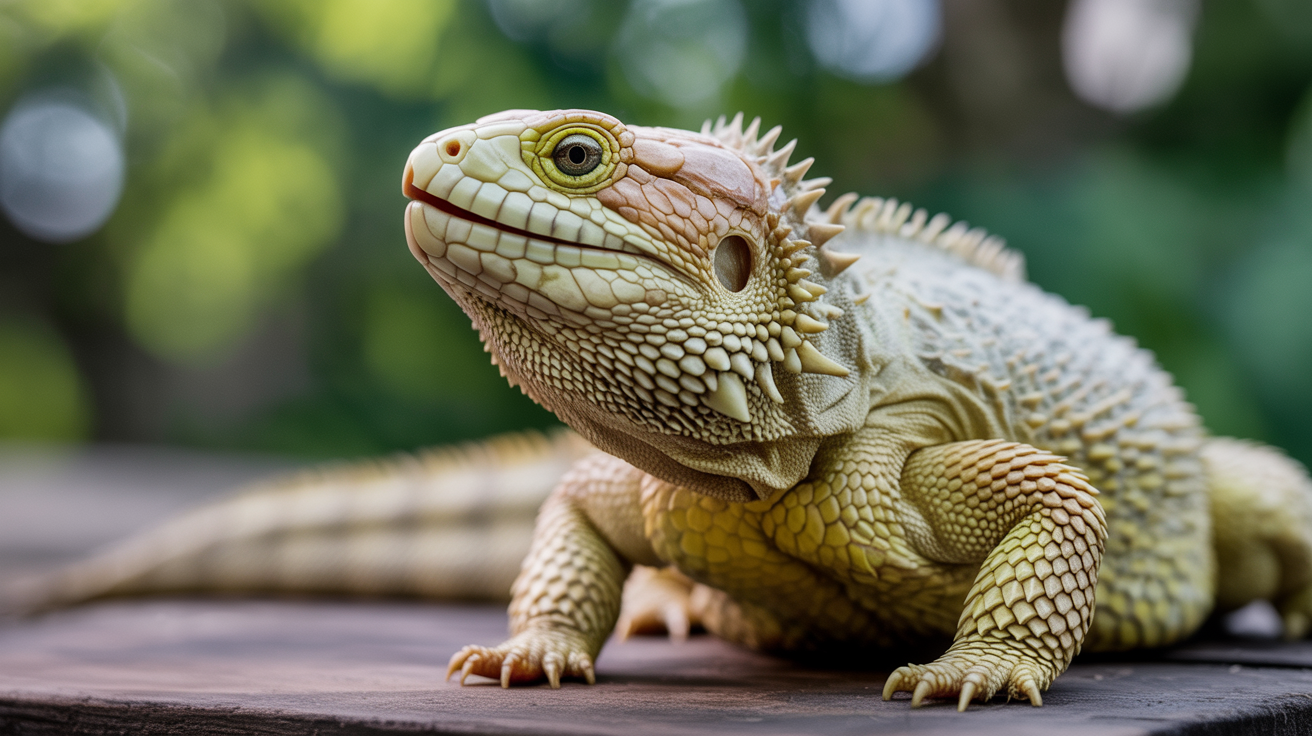
Metabolic bone disease (MBD) is one of the most preventable illnesses a captive reptile can develop, and one of the most heartbreaking to see. It causes bones to soften, bend, and fracture under the animal's own weight. In mild cases caught early, it can partly reverse with the right care. In severe or long-running cases, the damage is permanent.
The good news: MBD is almost entirely a husbandry problem. Fix the husbandry before it starts, and most reptiles will never get it.
What Actually Causes Metabolic Bone Disease
MBD is not a single deficiency. It's the result of a broken feedback loop involving calcium, phosphorus, vitamin D3, and parathyroid hormone. Here's the short version of what goes wrong.
The Calcium-D3-UVB Triangle
Reptiles need calcium to build and maintain bone. To absorb dietary calcium, they need vitamin D3. Most reptiles synthesize D3 in their skin when exposed to UVB radiation from the sun, or from a proper UVB bulb. Without UVB (or dietary D3), the body can't absorb calcium even if it's present in the food.
When blood calcium drops, the parathyroid glands compensate by pulling calcium from the bones. Over time, this demineralizes the skeleton. Bones lose rigidity. They bend, fracture, or develop abnormal shapes.
The Three Husbandry Failures Behind Most MBD Cases
Almost every case of MBD in captivity traces back to one or more of these:
- No UVB lighting, or inadequate UVB. This is the most common culprit. A standard incandescent bulb or LED produces no UVB. Many "reptile" bulbs sold in pet stores emit too little UVB for species that need it in significant amounts (bearded dragons, veiled chameleons, tortoises, and most others in the UV index 3-6 range). Bulbs also degrade before they burn out, a bulb that still lights up may produce almost no UVB after 6-12 months.
- No calcium supplementation, or wrong calcium. Insects are high in phosphorus and low in calcium by default. Without dusting prey with calcium powder, the calcium-to-phosphorus ratio stays inverted, which actively works against calcium absorption.
- Temperatures too low. Reptiles are ectotherms. Digestion, immune function, and metabolic processing of nutrients all require proper basking temperatures. A cold enclosure slows everything down, including vitamin D3 synthesis and calcium metabolism.
Early Signs of MBD to Watch For
MBD develops gradually, which is both a problem and an opportunity. If you know what to look for, you can catch it before serious structural damage occurs. Check your animal regularly, and pay attention to changes from its normal baseline. You can find more on what healthy looks like in our guide to signs of a healthy reptile and warning signs of illness.
Physical Warning Signs
- Soft or rubbery jaw. Gently pressing the lower jaw and feeling it flex is one of the earliest signs. A healthy jaw should feel firm.
- Bent or bowed limbs. Legs that curve outward or inward, or forelimbs that buckle during walking.
- Spinal kinks or bumps. Visible deformity along the backbone, or a lumpy feel when you run a finger along the spine.
- Pathological fractures. Spontaneous breaks from normal activity, climbing, landing, or just moving around.
- Swollen limbs. Can indicate micro-fractures with surrounding inflammation.
Behavioral Warning Signs
- Tremors or muscle twitches, especially in the legs
- Lethargy, reluctance to move, or sudden decrease in activity
- Difficulty lifting the head or supporting body weight
- Loss of appetite paired with any physical changes above
- Dragging limbs rather than walking normally
If you notice any of these, stop guessing and get to a vet. Do not try to self-treat with extra calcium or supplement changes. The animal needs a physical exam and almost certainly radiographs (X-rays) to assess bone density and check for fractures.
How to Prevent MBD: A Practical Checklist
Prevention is straightforward, but it requires getting the details right, not just checking boxes. A UVB bulb that's the wrong type, placed too far away, or past its effective life offers no real protection.
The Core Prevention Protocol
- Provide species-appropriate UVB. Research the UV index your species needs (the Ferguson Zone system is a useful guide). Use a high-quality linear T5 HO UVB bulb from a reputable brand. Replace it every 6-12 months even if it still lights up.
- Position the UVB bulb correctly. Distance matters. A 10.0 bulb placed 18 inches away delivers far less UVB than the same bulb at 8 inches. Remove mesh lids between the bulb and the basking spot if possible, mesh can block 30-50% of UVB output.
- Dust feeder insects with calcium powder. For most species, calcium without D3 at most feedings, and calcium with D3 once or twice a week. Over-supplementing D3 can cause toxicity, so follow species-specific guidance.
- Maintain proper basking temperatures. Check basking spot temps with a temperature gun, not a stick-on strip. Each species has a specific range; make sure you're hitting it.
- Vary the diet. Gut-load insects 24 hours before feeding with calcium-rich greens (collard greens, dandelion leaf, mustard greens). For herbivores and omnivores, offer a rotating variety of leafy greens.
- Schedule regular vet checkups. An exotic vet can catch early bone changes before you can see them. Annual well-checks are worth it.
- Track your bulb age. Write the installation date on the bulb itself with a marker. Don't rely on memory.
What Happens If MBD Is Left Untreated
Early-stage MBD, when bone loss is mild and fractures haven't occurred, can often be partly reversed with corrected husbandry and veterinary guidance. The body can remineralize bone if the underlying deficiency is addressed soon enough.
Late-stage MBD is a different picture. Severe spinal deformities, multiple healed fractures, and chronic organ displacement from skeletal collapse generally cannot be undone. The animal may survive with permanent disability, or in severe cases, euthanasia becomes the most humane option.
This is why early detection and immediate vet attention matter so much. An X-ray can show reduced bone opacity long before external symptoms appear. If you're unsure whether your animal's setup is adequate, have an exotic vet evaluate the enclosure setup along with the animal. Better to adjust a light fixture than to manage a broken jaw.
If you're new to handling your reptile or noticing changes in how it moves and behaves, read our guide on how to handle and tame your reptile gently for tips on minimizing stress during regular health checks.
Frequently Asked Questions
Can MBD be cured?
Partly, depending on severity and how early it's caught. When addressed in the early stages (soft jaw, no fractures, mild bone loss on X-ray), the skeletal system can remineralize and the animal can recover significantly. Advanced MBD with multiple fractures or permanent skeletal deformity cannot be fully reversed. The goal then shifts to managing pain, preventing further damage, and maintaining quality of life.
My reptile is eating well. Can it still get MBD?
Yes. Appetite alone doesn't indicate adequate nutrition or correct supplement absorption. A bearded dragon eating prey insects every day with no UVB and no calcium dusting can still develop MBD, because the calcium in the food isn't being absorbed without D3. Good appetite doesn't mean good husbandry.
Which reptiles are most at risk?
Any reptile kept in captivity without proper UVB and calcium supplementation is at risk. Bearded dragons, green iguanas, veiled chameleons, and box turtles are frequently affected because their UVB and calcium needs are high and often underestimated by first-time keepers. Leopard geckos and crested geckos can tolerate lower UVB levels but still need calcium supplementation.
How do I know if my UVB bulb is still working?
You can't tell visually. UVB output degrades at a rate the human eye can't detect. The only reliable method is a UV index meter (sold specifically for reptile keepers). Short of that, replace linear T5 HO bulbs every 6-12 months and coil/compact fluorescent bulbs every 6 months. Mark the date when you install a new bulb.
My reptile just had a bad shed. Is that related to MBD?
Not directly, but both issues can reflect inadequate husbandry. Poor shedding is usually tied to low humidity or dehydration, while MBD is tied to UVB and calcium. That said, a reptile with advanced MBD may shed poorly due to weakness and inability to move normally through the shedding process. If you're seeing both, a vet visit is overdue. For shedding issues specifically, see our guide on how to help a reptile with a stuck or bad shed.