Health & Care
How to Help a Reptile With a Stuck or Bad Shed
Reptile stuck shed can cut off circulation to toes and tails. Learn safe ways to help — warm soaks, humid hides, and what never to touch.
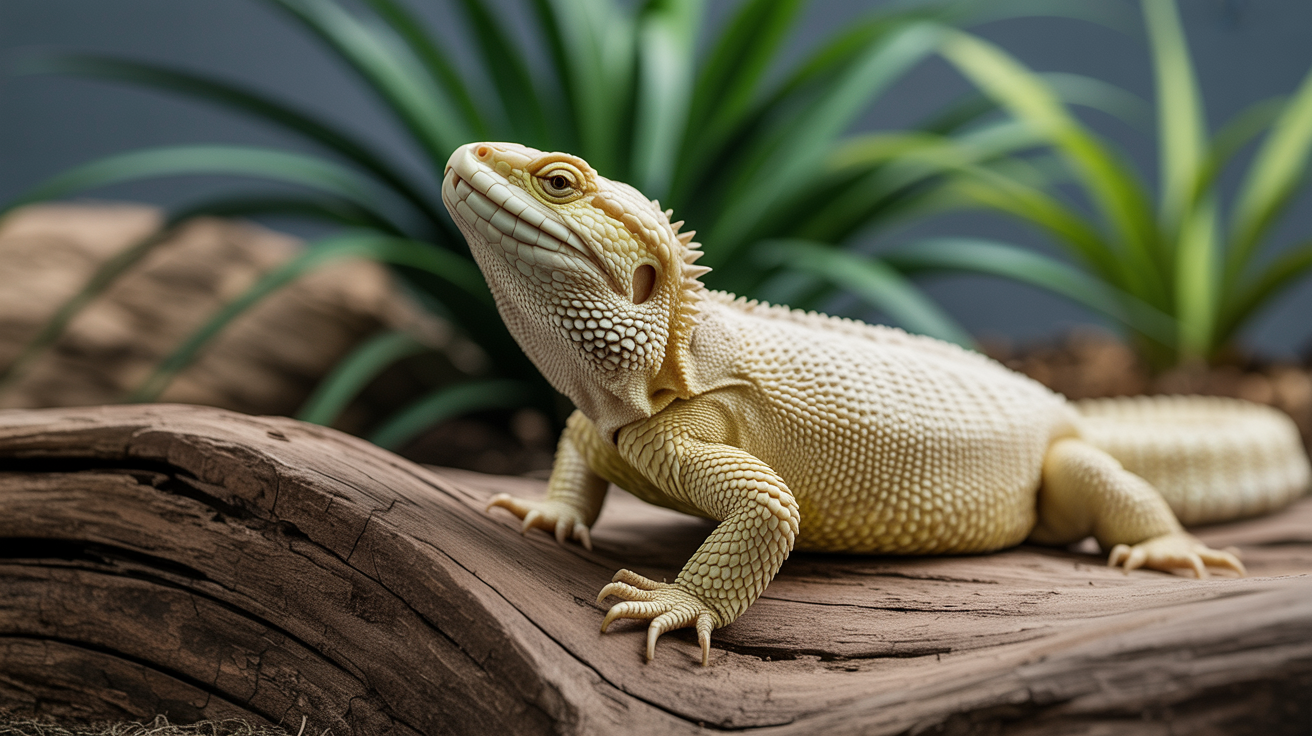
A gecko missing a toe. A ball python with cloudy patches of old skin. A bearded dragon whose tail tip is ringed with dry, leathery scale. These are all outcomes of a bad shed, and every one of them was preventable with a small adjustment to husbandry. If you have a reptile going through a rough molt right now, here is exactly what to do (and what to avoid).
What a Normal Shed Looks Like
Reptiles shed their outer skin layer, a process called ecdysis, to grow and to replace damaged or parasite-ridden scales. In snakes, the whole skin usually comes off in one piece; in lizards and geckos, it tends to peel in patches. A healthy shed finishes in a day or two and leaves clean, bright scales underneath.
The Pre-Shed Phase
Before the shed begins, you will notice visible changes. Snakes develop "blue" or milky eyes as lymph fluid separates the old eye caps from the new ones beneath. Lizards look dull, lose appetite, and may become withdrawn. Crested geckos often stop eating for a week before shedding. This is normal, do not disturb the animal during the blue phase or when the skin starts to lift.
What Comes Off Should Be Intact
After a successful shed, inspect the discarded skin. For a snake, check that both eye caps are present (they look like tiny, hollow contact lenses). For a gecko or lizard, look for evidence that the toes came clean. A single stuck piece does not constitute a crisis, but recurring incomplete sheds signal an ongoing husbandry problem.
Why Sheds Go Wrong
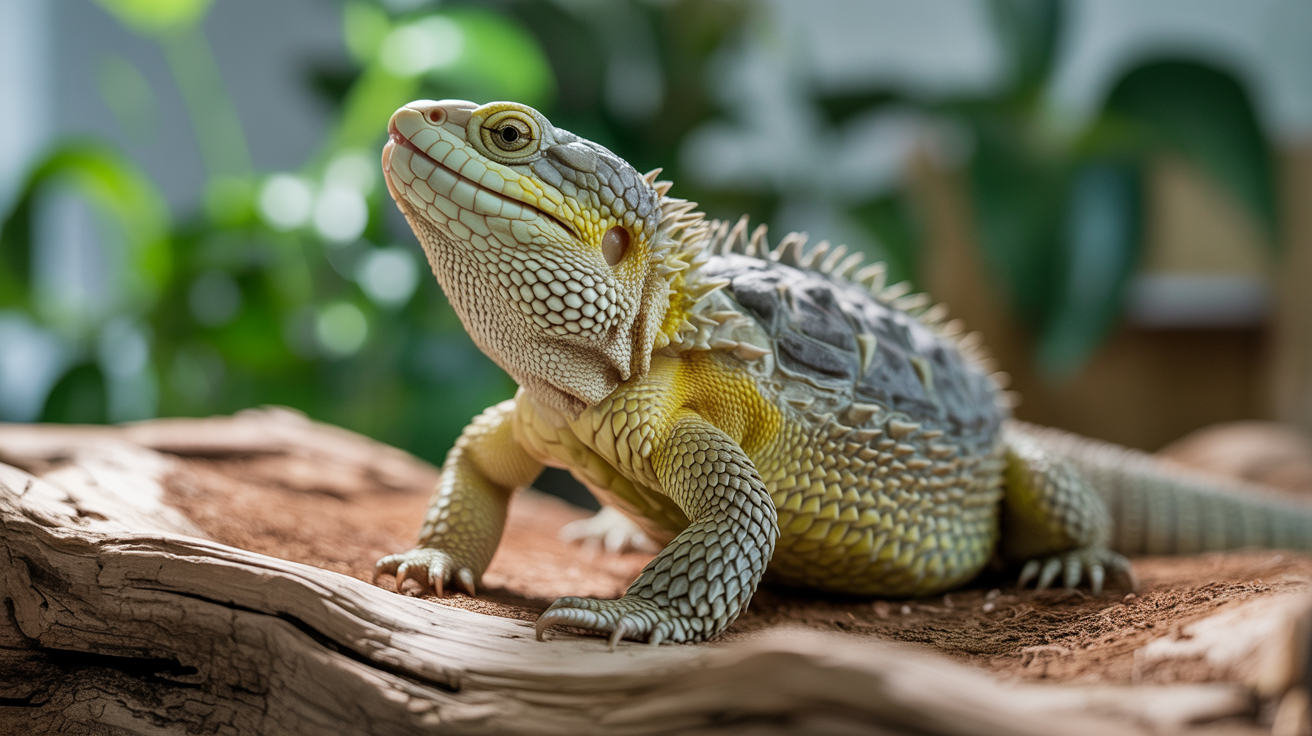
Low humidity is the single most common cause of a bad shed. Skin that dries out before it can detach becomes brittle, tears, and sticks. Other contributing factors include dehydration, malnutrition (especially vitamin A deficiency), skin infections, mite infestations, and injuries. Stress, frequent handling, a noisy environment, inadequate hides, can also interrupt a shed mid-way and leave the animal with patches of old skin attached.
Species-Specific Humidity Needs
Not every reptile wants the same moisture level. Ball pythons need 60–80% relative humidity; bearded dragons do fine at 30–40% but need a humid hide during sheds; crested geckos prefer 60–80% with a dry-out period between mistings; leopard geckos need a dedicated moist hide year-round. Confirm the target range for your species, then measure with a digital hygrometer, not a guess.
Dehydration Compounds the Problem
A reptile that does not drink enough or is kept in air that is too dry cannot produce the lymph fluid needed to separate old skin from new. Dehydration and low humidity reinforce each other. If you are already dealing with a stuck shed, the animal may need both a humidity boost and a warm soak before anything loosens.
Safe Ways to Help With a Stuck Shed
Do not peel skin off a dry animal. Attempting to pull attached skin before it has softened can tear the new scales underneath, cause injury, or break the skin mid-strip and leave an even tighter band. The protocol is: hydrate first, then assist.
Step 1, Warm Soak
Fill a shallow container with lukewarm water (around 85–90°F / 29–32°C for most species). The water should reach the animal's belly but not so deep that it has to swim. Place the reptile in the container and cover loosely to retain warmth and reduce escape attempts. Soak for 15–20 minutes. For small geckos, a damp paper towel in a sealed container works better than open water.
After the soak, most loose skin will have softened considerably. For snakes, you can gently hold the animal and let it move through a slightly damp, bunched-up paper towel, the friction does the work without you pulling.
Step 2, Humid Hide
A humid hide is a small enclosed box (a deli cup, a Tupperware container, or a commercial humid hide) lined with damp sphagnum moss or a moist paper towel. It gives the animal a microclimate it can retreat into at will. Place it on the warm side of the enclosure. Many leopard geckos and crested geckos will go in overnight and emerge fully shed by morning. Keep the moss damp but not dripping.
Step 3, Repeat, Not Force
If one soak does not clear the stuck patches, repeat the process the next day. Never use tweezers or fingernails to peel skin from the body, and absolutely do not attempt to remove eye caps manually. Eye cap removal is a vet procedure.
Danger Zones, Where Stuck Shed Causes Real Harm
Stuck shed is not just cosmetic. In specific spots, retained skin tightens as it dries and acts like a tourniquet.
Toes and Tail Tips
This is the most urgent situation. Old skin that wraps around individual toes or the tip of the tail constricts blood flow. Within days, the tissue beyond the band can become necrotic and die. You may notice a toe that looks darker than the others, or a tail tip that appears pinched. Soak the animal immediately. If the skin does not come free after two soaks, see an exotic animal vet.
Eye Caps on Snakes
Snakes have transparent scales called spectacles covering their eyes. These should shed with the rest of the skin. If spectacles are retained, the snake's vision is impaired and infection risk increases. You can see retained spectacles as a slight cloudiness or unevenness over the eye after the shed is otherwise complete. Do not try to remove them yourself, the eye is directly beneath, and any tug risks permanent damage. A vet can remove them safely using saline and a cotton-tipped applicator under proper restraint.
Around the Cloaca and Limbs
Lizards can retain bands of old skin at the base of limbs and around the vent area. These are less immediately dangerous than toe constriction but can cause irritation and infection. A soak usually softens these enough to remove with very gentle finger pressure once the skin is pliable.
Prevention Checklist
Fixing a bad shed is reactive. Preventing one is simple:
- Maintain correct humidity for your species (digital hygrometer, not an analog dial)
- Provide a humid hide permanently for leopard geckos, crested geckos, and any lizard species prone to dry sheds
- Offer fresh water in a bowl large enough to soak in; change it every 1–2 days
- Mist the enclosure during the pre-shed period if humidity drops
- Avoid handling during the blue phase and while the shed is actively in progress
- Check for mites after every shed (tiny red or black specks moving near the eyes and under scales)
- Feed a balanced diet with appropriate vitamin A sources or supplementation
- Inspect the discarded shed each time, missing eye caps or toe tips are early warning signs
See your vet if sheds are consistently incomplete despite correct humidity, if the animal has gone more than a week without finishing a shed, or if you notice any darkened toes, tail tips, or retained spectacles that do not resolve after soaking.
For more on reading your reptile's overall health signals, see signs of a healthy reptile and warning signs of illness. Nutritional deficiencies often show up first as poor sheds, background on that is in what is metabolic bone disease and how to prevent it. If your reptile is stressed during handling and you think that is contributing, how to handle and tame your reptile gently covers the right approach.
Frequently Asked Questions
How long does a reptile shed take?
Most snakes complete a shed within 24–48 hours once the process starts (after the blue phase clears). Lizards and geckos can take 1–3 days, often completing it overnight. If your reptile is still in the middle of a shed after 5–7 days, intervene with a warm soak and consider a vet visit if that does not help.
Can I help peel off stuck shed with my fingers?
Only after the skin has been thoroughly softened with a soak. Even then, use the lightest possible pressure and let the animal's own movement do most of the work. Never pull against resistance, and never touch the eye area.
My snake's eye caps are stuck. What do I do?
Do not attempt to remove them at home. Soak the snake in lukewarm water for 20 minutes and check again, sometimes retained spectacles come free after rehydration. If they are still there, book an appointment with an exotic animal vet. A second retained shed on top of the first makes removal harder, so do not wait.
Is a bad shed painful for my reptile?
Shedding is not inherently painful, but stuck shed that constricts toes or tail tips causes genuine discomfort and eventually tissue death. Retained eye caps impair vision and increase stress. Addressing a stuck shed promptly is an animal welfare matter, not just a cosmetic one.
How do I know if a toe is already losing circulation?
A toe with compromised circulation will look darker or more purple than the others, feel cooler to the touch, and the reptile may show unusual sensitivity when you touch that foot. If you see this, treat it as urgent. Soak immediately and contact an exotic vet the same day, necrotic tissue progresses quickly in small animals.