Heating & Lighting
How to Set the Right Basking Temperature
Learn how to measure and dial in the correct reptile basking temperature for popular species, with a quick-reference chart and setup tips for beginners.
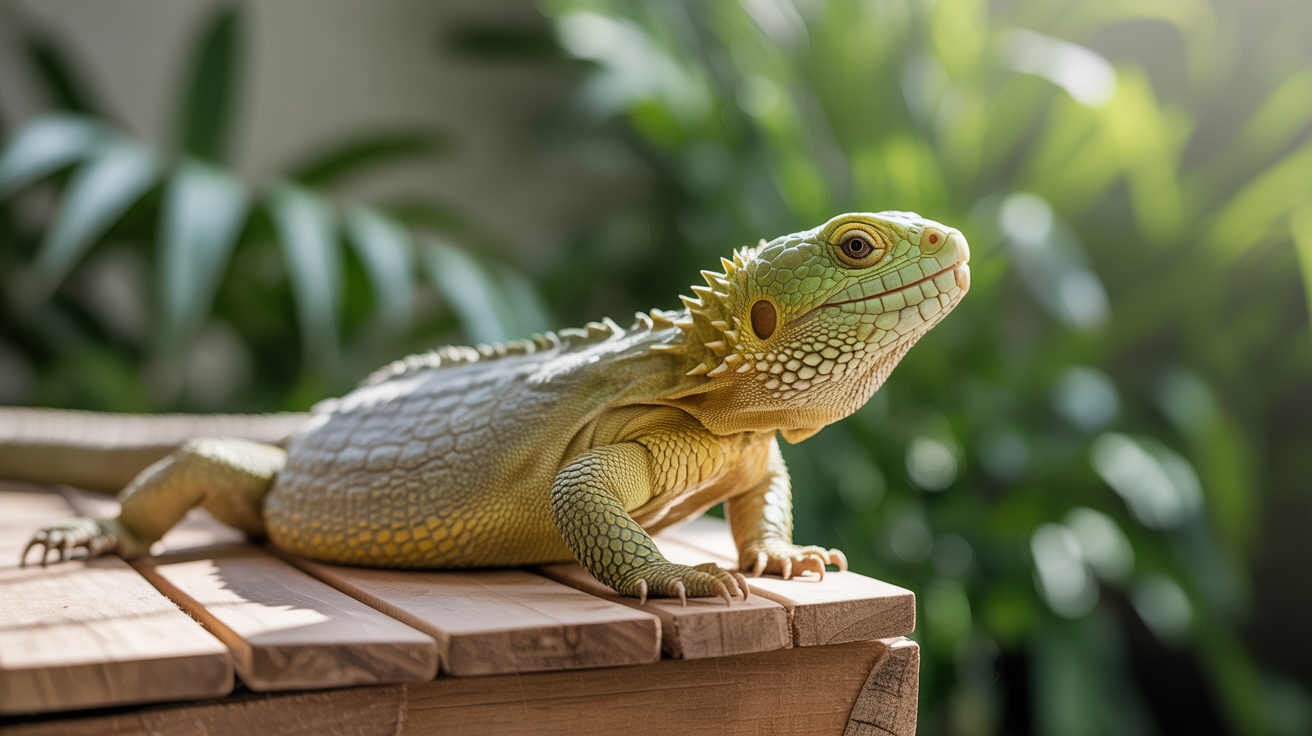
Getting your basking spot wrong is one of the most common mistakes first-time reptile keepers make. Too cool and your lizard or tortoise can't digest food properly. Too hot and it risks burns or heat stress. The fix is straightforward once you understand what you're measuring and why it matters.
Why Basking Temperature Matters
Reptiles are ectotherms. They don't generate body heat internally the way mammals do, so they rely on external surfaces to reach the temperatures their bodies need to function. A basking spot is essentially your reptile's thermostat.
Digestion and Metabolism
After eating, a reptile needs to reach a specific body temperature to activate the enzymes that break down food. A bearded dragon, for example, needs its core temperature around 95–100°F (35–38°C) to digest a cricket efficiently. If the basking spot is only 85°F (29°C), the food sits in the gut too long and can ferment, causing bloating or regurgitation.
Immune Function and Activity Levels
Temperature also drives immune response and muscle function. A reptile that's chronically too cool becomes sluggish, stops eating, and is more vulnerable to respiratory infections. Many keepers assume a sick lizard needs rest and lower the heat. In most cases, the opposite is true.
Behavioral Thermoregulation
In the wild, reptiles move between warm and cool zones throughout the day to self-regulate. In captivity, you replicate this by providing a hot basking area on one end of the enclosure and a cooler ambient zone on the other. The reptile chooses what it needs. This is why "ambient temperature" and "basking temperature" are two separate measurements, and why getting both right matters.
How to Measure Basking Temperature Correctly
Air temperature and surface temperature are not the same thing. A thermometer stuck to the glass wall of a tank reads the air near that wall, not the heat radiating into your reptile's belly as it sits on a rock. You need to measure at the surface where your reptile actually sits.
Use a Temperature Gun or Probe Thermometer
An infrared (IR) temperature gun is the easiest tool. Point it at the basking spot surface and pull the trigger. Aim for the spot your reptile actually rests on, not the air above it. Prices for a basic IR gun run $12–$20 and it's worth every penny.
A digital probe thermometer (the kind with a flexible wire sensor) also works well. Press the probe tip against the surface. Stick-on dial thermometers and strip thermometers are nearly useless for this purpose. They read ambient air with poor accuracy.
Where to Place the Sensor
Put the sensor on the basking surface itself, ideally on the same type of material your reptile uses. Slate tile absorbs and radiates heat differently than a tree branch. Measure both if you use multiple basking substrates.
Check at the height your reptile's body sits, not the top of any elevated perch. A basking ledge six inches below the bulb is meaningfully hotter than one twelve inches below it.
Adjusting Your Basking Setup
Once you've measured, you'll likely need to tune things. The two main variables are bulb wattage and bulb-to-surface distance.
Raising or Lowering the Bulb
This is almost always the better first adjustment. Moving a bulb two inches closer or farther can shift surface temperature by 10–15°F (5–8°C). Start with the bulb at the manufacturer's recommended distance and measure the surface. Then move it up or down in small increments, checking temperature after each change.
A dimmer-compatible bulb paired with a lamp dimmer gives you fine-grained control without swapping bulbs repeatedly.
Wattage
If repositioning the bulb isn't enough to hit your target temperature, change wattage. Going from a 75W to a 100W incandescent basking bulb is a straightforward swap. Don't try to compensate for a wrong-wattage bulb by hanging it at an awkward angle, as that makes consistent measurement harder.
For deep enclosures or tight spaces, a ceramic heat emitter (CHE) can add background heat without adding visible light, leaving your basking bulb to focus on surface temperature alone.
Thermostats and Pulse Controllers
A dimming thermostat clamps the output of your basking bulb to hold a set temperature automatically. This is particularly useful in rooms with variable ambient temperature (summers versus winters). See our guide on whether you need a thermostat for reptile heating for a breakdown of which setups benefit most.
Cool Side and Nighttime Temperatures
The basking zone is only half the equation. A proper thermal gradient gives your reptile somewhere to cool down.
The Cool Side
The cool side of the enclosure should sit at the lower end of the species' comfort range, typically 70–80°F (21–27°C) for most temperate and tropical species. For desert species like uromastyx, the cool side can be somewhat warmer. For temperate species like corn snakes, it can be a bit cooler.
A gradient means your reptile is never forced to overheat. If the entire enclosure is hot, the animal has no way to thermoregulate and will stress quickly.
Nighttime Drops
Most reptiles tolerate and actually benefit from a temperature drop at night, as it mimics natural conditions. For tropical and desert species, keeping the enclosure above 65°F (18°C) at night is usually sufficient. Temperate species can tolerate drops into the low 60s°F (around 16°C). If your home drops below that, a low-wattage ceramic heat emitter on a thermostat can hold overnight minimums without adding disruptive light.
Turn off visible-light basking bulbs at night. Reptiles need dark cycles. Red "night bulbs" are not a safe substitute — reptiles can see red light and it disrupts sleep.
Quick-Reference Reptile Temperature Chart
These are commonly accepted ranges based on established husbandry literature. Always cross-check with a care guide specific to your species, as populations and individual variation exist.
| Species | Basking Spot | Cool Side | Notes |
|---|---|---|---|
| Bearded Dragon | 100–110°F (38–43°C) | 80–85°F (27–29°C) | Juveniles lean toward higher end |
| Leopard Gecko | 88–92°F (31–33°C) | 75–80°F (24–27°C) | Belly heat from under-tank heater |
| Blue-Tongued Skink | 95–105°F (35–41°C) | 75–80°F (24–27°C) | Large surface area, broad basking rock recommended |
| Crested Gecko | 80–85°F (27–29°C) | 70–75°F (21–24°C) | No intense basking; diffuse warmth |
| Green Iguana | 95–100°F (35–38°C) | 80–85°F (27–29°C) | Needs very large enclosure for gradient |
| Ball Python | 88–92°F (31–33°C) | 76–80°F (24–27°C) | Belly heat primary; basking optional |
| Corn Snake | 85–88°F (29–31°C) | 72–76°F (22–24°C) | Tolerates wider range |
| Hermann's Tortoise | 95–100°F (35–38°C) | 70–75°F (21–24°C) | Needs substantial cool zone |
| Veiled Chameleon | 85–90°F (29–32°C) | 72–76°F (22–24°C) | Screen enclosure, moving air |
| Red-Eared Slider | 85–90°F (29–32°C) water | 90–95°F (32–35°C) basking | Needs both water and dry land |
For more on how heating and lighting work together, see reptile heating and lighting explained for beginners. UVB requirements often overlap with basking setups — our guide on what UVB is and why your reptile needs it explains the connection.
Frequently Asked Questions
How do I know if my basking spot is too hot?
Your reptile will tell you. Signs of an overheated basking spot include the animal avoiding the warm side entirely, gaping (holding the mouth open), or pressing against the cooler glass. Verify with an IR gun. If the surface reads more than 5–10°F above the recommended maximum for your species, lower the bulb or reduce wattage.
Can I use a regular household bulb for basking?
Incandescent household bulbs do work as heat sources, and many keepers use them. The concern is predictability — bulb wattages don't map consistently to surface temperatures because enclosure size, airflow, and ambient room temperature all play a role. Reptile-specific basking bulbs are made to concentrate heat in a tighter beam, which is useful for a defined basking spot. Either can work, but measure and verify rather than assuming.
Should the basking spot be the same temperature day and night?
No. Turn basking bulbs off at night to give your reptile a natural light/dark cycle. Most species handle a nighttime drop of 10–15°F (5–8°C) without issue. Only use overnight heat if your room actually gets cold enough to push temperatures below the species minimum.
My reptile keeps digging instead of basking. What does that mean?
Digging or hiding instead of basking can mean the basking surface is too hot (the animal is avoiding it), too bright (some species prefer partially shaded basking), or that the enclosure lacks enough cover in the cool zone. Measure the surface temperature first. If it's within range, add a hide or partial shade near the warm side.
Does the basking spot temperature change with the seasons?
In the wild, yes. In captivity, most keepers maintain consistent year-round temperatures unless they're attempting a brumation (winter cooling) cycle for breeding. For beginners, keeping temperatures stable year-round is the safer approach. Brumation is a separate topic that requires preparation and monitoring, not something to attempt casually.