Species Guides
Blue Tongue Skink Care: A Beginner's Guide
Learn blue tongue skink care from enclosure size and temperatures to diet and handling. A practical beginner's guide to setting up and keeping this lizard.
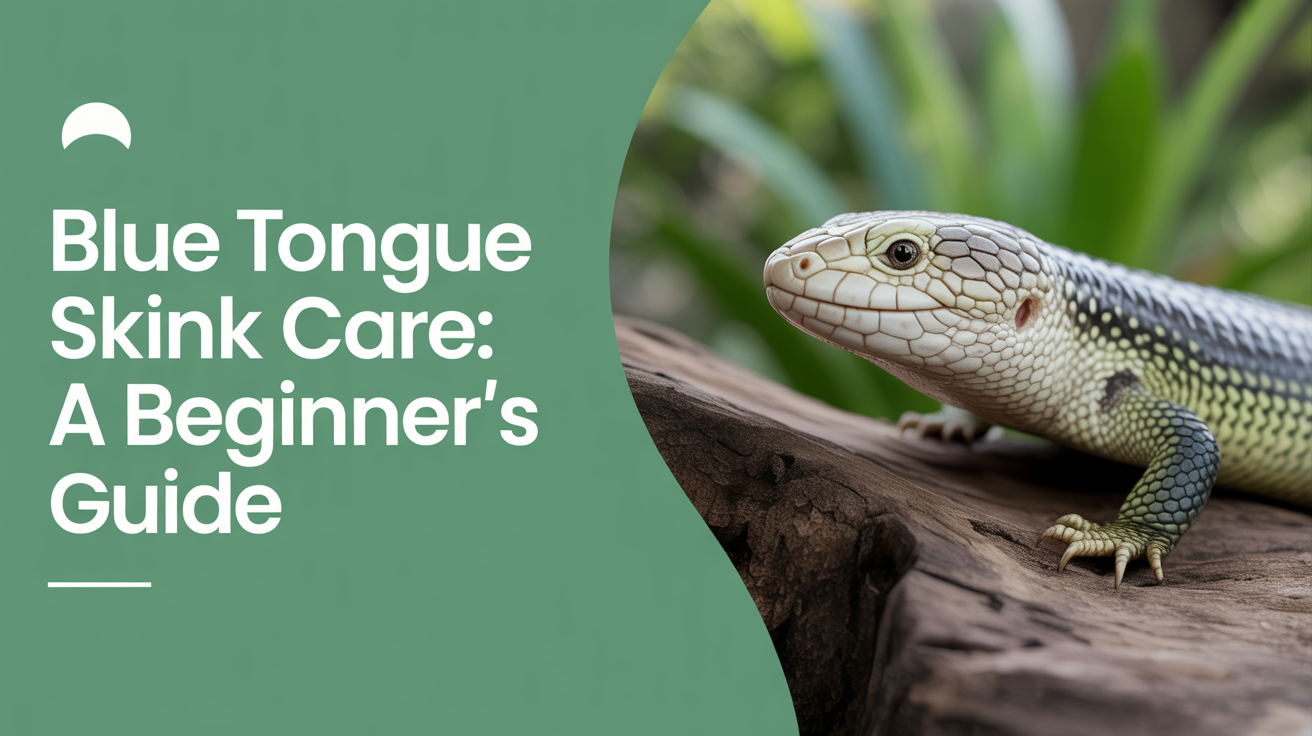
Blue tongue skinks are one of the more rewarding lizards a beginner can keep. They grow to between 18 and 24 inches (45 to 60 cm), have a calm disposition that tolerates regular handling, and eat a varied diet of whole foods rather than live insects alone. Their signature cobalt-blue tongue is a defense display, but most captive-bred animals settle quickly and rarely use it once they trust their keeper.
That said, blue tongue skinks are not low-maintenance animals. They need a properly sized enclosure, accurate temperature gradients, UVB lighting, and a nutritionally balanced diet to stay healthy long term. Get those four things right and you can expect a lizard that lives 15 to 20 years in good condition.
Enclosure Size and Setup
Adults need a minimum footprint of 4 x 2 feet (120 x 60 cm), with the same depth of height or more. A 4 x 2 x 2 foot PVC or wood enclosure works well because it holds heat and humidity far better than a glass aquarium with a screen top. Juveniles can start in a 2 x 2 foot enclosure, but you will need to upgrade within the first year as they grow quickly.
Blue tongue skinks are ground-dwelling and spend little time climbing, so floor space matters more than vertical height. Give them at least two hides: one on the warm side and one on the cool side. Cork bark flats, half-log hides, or commercially made resin caves all work. A third hide somewhere in the middle of the thermal gradient is a useful addition if you have space.
For substrate, a mix of organic topsoil, coconut coir, and play sand (roughly 60/20/20 by volume) holds burrows well and maintains moisture in the lower layers. A substrate depth of 3 to 4 inches (7 to 10 cm) lets them dig slightly without needing a full bioactive setup. Avoid cedar, pine, or other aromatic wood shavings, which are toxic to reptiles.
Heating and Temperature Gradient
Getting the temperature gradient right is the single most important part of blue tongue skink care. Here are the target zones:
| Zone | Fahrenheit | Celsius |
|---|---|---|
| Basking spot (surface) | 100-110°F | 38-43°C |
| Warm side ambient | 85-90°F | 29-32°C |
| Cool side ambient | 70-80°F | 21-27°C |
| Nighttime low | 65-70°F | 18-21°C |
Use a halogen flood bulb or incandescent basking lamp positioned over a flat rock or tile on the warm end. A flat surface directly under the lamp absorbs and radiates belly heat, which is how skinks thermoregulate. Deep heat projectors (ceramic or DHP-style lamps) are useful supplemental heat for ambient temperatures, especially in a cooler room. Avoid heat mats under the enclosure as the primary heat source since skinks rely heavily on overhead radiant warmth.
Measure temperatures with a digital probe thermometer or an infrared temp gun placed directly on the basking surface. Stick-on dial thermometers are not accurate enough.
UVB Lighting
Blue tongue skinks are diurnal lizards that benefit from UVB exposure, even though they have historically been kept without it. Current keeper consensus and veterinary guidance support providing UVB in captivity. A T5 HO linear tube rated at 10.0 UVB (or equivalent) running the length of the enclosure works well. Mount it inside the enclosure or over a mesh top, making sure the skink can bask within 8 to 12 inches (20 to 30 cm) of the tube.
Run the UVB and basking lamp on a 12-hour on, 12-hour off cycle. Skinks from tropical Indonesian subspecies (like Merauke or Irian Jaya) do best with a consistent 12/12 cycle year-round. Northern blue tongues from Australia can be cycled to a slight 14/10 to 10/14 shift across seasons if you plan to breed them, but for most pet keepers a consistent 12/12 is fine.
UVB tubes lose output before the bulb visibly burns out. Replace them every 12 months even if they are still producing visible light.
Humidity
Humidity requirements vary by subspecies. Northern blue tongue skinks (the most commonly kept) do best at 40 to 60% ambient humidity. Indonesian subspecies like Halmahera or Merauke are forest animals that need 60 to 80%.
Misting the substrate every few days, or one side of the enclosure while leaving the other drier, usually keeps humidity in range. A digital hygrometer placed mid-enclosure gives a reliable reading. High humidity combined with poor ventilation causes respiratory infections, so airflow matters. PVC enclosures with ventilation panels on both sides prevent stagnant air while retaining warmth better than a screen-lid glass tank.
Diet and Supplementation
Blue tongue skinks are omnivores. A practical feeding breakdown for adults is roughly 50 to 60% protein, 30 to 40% vegetables, and 10 to 20% fruit by volume. Juveniles should get more protein, closer to 60 to 70%, to support growth.
Good protein sources include:
- High-quality wet dog or cat food (look for whole-meat first ingredient, no onion or garlic)
- Scrambled or hard-boiled eggs
- Cooked lean turkey or chicken
- Dubia roaches, snails, or superworms
Safe vegetables include collard greens, mustard greens, butternut squash, green beans, and shredded carrot. Avoid spinach and beet greens regularly, as oxalates bind calcium. Fruit can be given as a small portion: blueberries, papaya, mango, or melon work well. Avoid citrus, avocado, and onion at all times.
Dust food with a calcium supplement at most feedings and a multivitamin with D3 once or twice a week. If you are providing adequate UVB, you do not need D3 in every dusting, but the majority of keepers include it regularly without issue. Check with an exotics vet on your specific protocol if you are unsure.
Feed adults every two to three days. Juveniles can be fed daily or every other day. Remove uneaten food within a few hours to keep the enclosure clean.
Handling and Temperament
Captive-bred blue tongue skinks from reputable breeders are generally calm and tolerate handling well. Wild-caught animals can be defensive initially and may require more patience. When bringing a new skink home, give it one to two weeks to settle before attempting extended handling sessions. Let it eat and behave normally before introducing your hands regularly.
Start handling sessions short, around five minutes, and extend them as the animal becomes comfortable. Support the body fully with both hands since skinks feel secure when they are not dangling. Most will settle into regular handling within a few weeks and rarely bite unless they feel cornered or are being restrained forcefully.
Wash hands before and after handling. Blue tongue skinks, like many reptiles, can carry Salmonella without showing symptoms. This is routine with reptile keeping and a simple handwashing habit manages the risk effectively.
Signs Your Skink May Need a Vet Visit
Blue tongue skinks hide illness well, so knowing the early warning signs matters. Reach out to an exotics vet if you notice any of the following:
- Wheezing, open-mouth breathing, or mucus around the nose or mouth (possible respiratory infection)
- Retained shed that does not clear within a week of a warm soak
- Refusal to eat for longer than three to four weeks outside of a normal seasonal slowdown
- Sunken eyes or visible weight loss
- Limb swelling, tremors, or difficulty standing (possible metabolic bone disease)
Find an exotics vet before you need one. Not every general practice vet has reptile experience, and it is much easier to identify a qualified exotics specialist in advance than during an emergency.
If you are comparing this species to other beginner-friendly options, the guides on bearded dragon care and leopard gecko care cover two of the most popular alternatives. For keepers drawn to snakes, the ball python care guide is worth reading alongside this one.
Frequently Asked Questions
How big do blue tongue skinks get? Most captive adults reach 18 to 24 inches (45 to 60 cm) in total length. Indonesian subspecies like Merauke tend toward the larger end. Northern blue tongues average around 20 inches (51 cm). Growth rate is fastest in the first two to three years.
Do blue tongue skinks need live insects? No, they do not. Blue tongue skinks are omnivores that do well on a diet of high-quality wet dog food, vegetables, and fruit. Live or frozen-thawed insects can be added for enrichment and variety, but they are not required the way they are for insectivorous species like leopard geckos.
Can I keep two blue tongue skinks together? Generally, no. Blue tongue skinks are solitary animals and will fight if housed together, sometimes causing serious injuries. Even pairs kept for breeding should only be introduced briefly and under supervision. It is much simpler and safer to house each skink in its own enclosure.
How often do blue tongue skinks shed? Juveniles shed frequently as they grow, sometimes every four to six weeks. Adults slow down to a few times per year. A soak in shallow, lukewarm water for 20 to 30 minutes helps if a skink has trouble clearing shed from the toes or tail tip.
How long do blue tongue skinks live in captivity? With good husbandry, 15 to 20 years is a reasonable expectation. Some individuals have reportedly lived past 20 years. Because of this lifespan, a blue tongue skink is a long commitment, which is worth thinking through before bringing one home.