Health & Care
How to Clean a Reptile Tank (and How Often)
A plain-spoken guide to cleaning reptile enclosures: how often to spot-clean vs. deep-clean, safe disinfectants to use, and hand-hygiene tips.
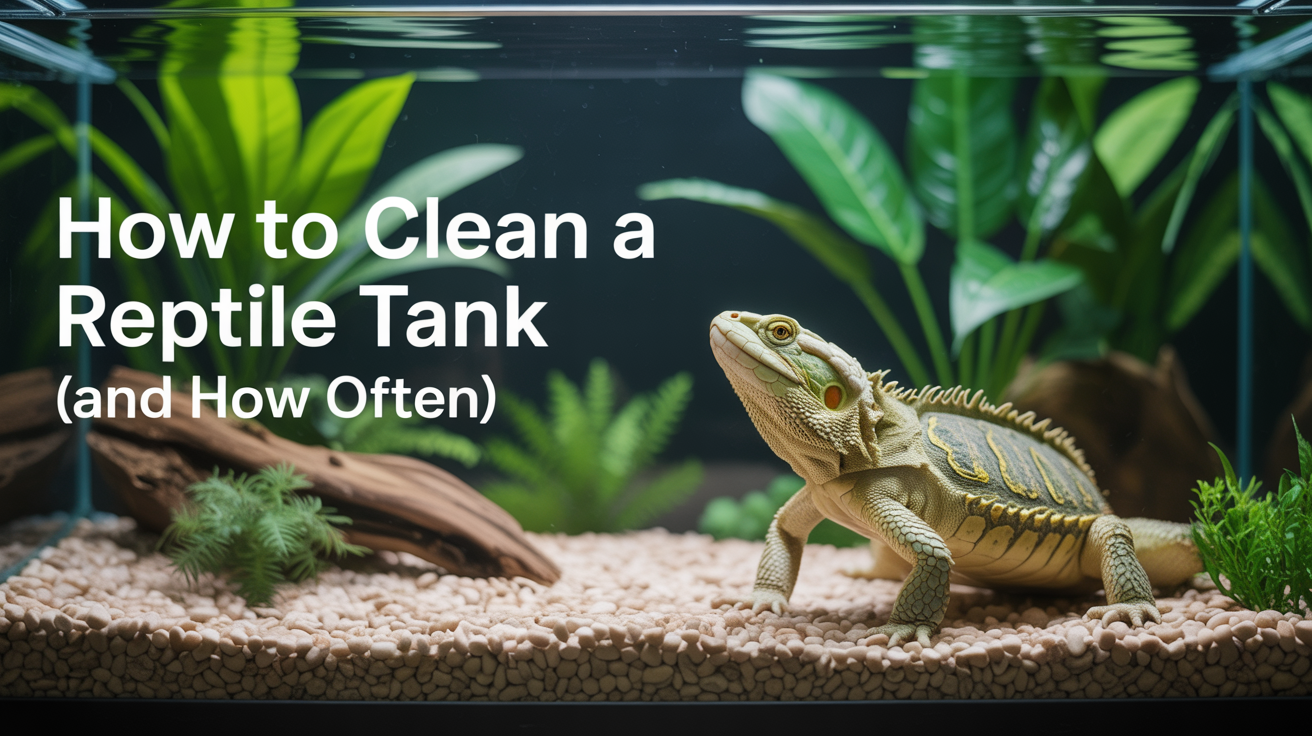
Reptile tanks accumulate waste, shed skin, and bacteria faster than they look. Even a tidy enclosure can harbor Salmonella and other pathogens that are invisible to the eye. A consistent cleaning routine protects both the animal living inside and every person who handles it.
The good news is that keeping a tank clean does not require hours of work on any given day. Knowing what to clean daily, what to tackle weekly, and what needs a full disinfection once a month makes the whole process predictable and far less daunting.
Why Tank Hygiene Matters for Reptile Health
Dirty enclosures create conditions that favor respiratory infections, skin infections, and parasitic infestations. High humidity combined with old waste raises ammonia levels and encourages mold and bacterial growth. Many reptiles are stressed by smelling their own waste buildup, which can suppress appetite and weaken immune function over time.
For amphibians the stakes are even higher. Frogs and salamanders absorb water and dissolved compounds directly through their permeable skin, so contamination in the water or substrate goes straight into their bodies. A weekly water change in an amphibian setup is not optional, it is basic care.
Consistent cleaning also gives you a regular reason to look closely at the enclosure. You will notice a loose-fitting lid, a heating element that has shifted, or the early signs of a healthy reptile and warning signs of illness more readily when you are already in there with cleaning supplies.
Spot Cleaning: What to Do Every Day or Two
Spot cleaning means removing waste and uneaten food without disturbing the whole enclosure. It takes three to five minutes and keeps odors manageable between full cleans.
What to do at each spot clean:
- Remove feces, urates, and uneaten prey items with paper towels or a dedicated reptile scoop.
- Replace any soiled substrate in the area where waste was found.
- Wipe down any surfaces the animal defecated on with a damp cloth or paper towel.
- Check the water dish and refresh it daily. Bacteria colonize standing water fast, especially at typical enclosure temperatures of 80 to 90 °F (27 to 32 °C).
- Empty and rinse water dishes with hot tap water before refilling.
Snakes defecate infrequently, so a spot clean after each bowel movement is enough. Bearded dragons and blue tongue skinks go more often and may need daily attention.
Monthly Deep Clean: Full Disinfection from Top to Bottom
Once a month, remove everything from the enclosure and do a proper disinfection. This is also when you replace all substrate, wash hides and decor, and check that heating and lighting equipment is positioned correctly.
Step-by-step process:
- Move the animal to a secure temporary container with ventilation, a hide, and a stable temperature. Aim for the middle of the animal's normal thermal range, roughly 78 to 82 °F (26 to 28 °C) for most tropical or desert species.
- Remove all substrate and dispose of it. Even substrate that looks clean holds bacteria and mold below the surface.
- Take out all decor, hides, water dishes, and food bowls.
- Spray the enclosure walls, floor, and lid with a reptile-safe disinfectant. Let it sit for the contact time listed on the label, usually 5 to 10 minutes.
- Wipe with paper towels, then rinse the enclosure with plain water and let it dry completely before adding fresh substrate.
- Wash hides and decor in a dilute disinfectant solution, rinse them thoroughly, and let them dry.
- Wipe bulbs and lamp fixtures with a dry cloth only; never use wet cloths near electrical equipment.
- Add fresh substrate, replace decor, and return the animal once temperatures have stabilized.
Thorough drying is not just cosmetic. Residual disinfectant sitting on substrate can irritate a reptile's eyes and respiratory tract. If you speed up drying with a heat lamp, keep the animal out until the interior temperature is stable and there is no chemical odor remaining.
Safe Disinfectants and What to Avoid
Choosing the wrong cleaning product is a common mistake. Many household cleaners contain phenols, pine oils, or strong fragrances that are toxic to reptiles even at low concentrations.
Recommended options:
- Diluted bleach (sodium hypochlorite): 1 part bleach to 30 parts water (about half a cup per gallon). Effective and inexpensive. Must be rinsed thoroughly and allowed to air dry; any lingering chlorine smell means it needs another rinse.
- F10SC veterinary disinfectant: Broad-spectrum, low residual toxicity, and commonly used in exotics veterinary practice. More expensive but leaves no harmful residue once dry.
- Chlorhexidine 2% solution, diluted: Effective against bacteria and used in veterinary settings. Less reliable against certain viruses, so not ideal as a sole disinfectant after a known illness.
Avoid:
- Pine-Sol, Lysol, and similar phenol-based household cleaners
- Essential oil sprays (tea tree oil is particularly toxic to reptiles)
- Ammonia-based glass cleaners
- Any product with a strong, lingering fragrance
Whatever disinfectant you use, rinse surfaces with plain water afterward. The goal is no residue, not just a clean smell.
A Simple Reptile Tank Cleaning Schedule
| Task | Frequency |
|---|---|
| Remove feces and urates | Daily or after each bowel movement |
| Refresh water dish | Daily |
| Spot-clean soiled substrate | As needed, every 1 to 3 days |
| Full water change (amphibians) | Weekly |
| Wash water and food dishes | Weekly |
| Replace substrate, disinfect enclosure | Monthly |
| Wash hides and decor | Monthly |
| Inspect and wipe heating equipment | Monthly |
| Check UV bulb output with a meter or replace on schedule | Every 6 months (replace even if still glowing) |
Frogs and other amphibians often benefit from a mid-month partial water change as well. Tropical species on coco fiber or sphagnum moss may need a partial substrate refresh every two weeks because damp substrate decomposes faster than dry substrate does.
A dirty enclosure also affects shed quality. Animals living with accumulated bacteria and humidity swings often develop skin issues or incomplete sheds. If retained shed is a recurring problem, review your cleaning routine alongside humidity levels. More on addressing those issues is in the guide on how to help a reptile with a stuck or bad shed.
Keep in mind that a dirty environment can compound nutritional issues. If an animal seems lethargic even after a thorough habitat clean-up, it is worth reading about what is metabolic bone disease and how to prevent it, since illness sometimes has more than one contributing factor.
Frequently Asked Questions
Can I use vinegar to clean a reptile tank?
White vinegar is a mild acid that dissolves mineral deposits and handles some bacteria, but it is not a proper disinfectant. It does not reliably kill pathogens like Salmonella. Use it for descaling glass or removing mineral buildup from water dishes, then follow with a proper disinfectant on the enclosure surfaces.
How often should I change the substrate?
For most dry substrates, including reptile carpet, loose bioactive mixes, and paper towels, a full replacement once a month is the standard. Paper towel substrate is easier to spot-check and can be changed every few days. Cypress mulch or bioactive soil for high-humidity species may last longer with diligent spot cleaning, but replace the whole layer at least every two months.
Do I need to clean the enclosure if my reptile is in shed?
Keep up with spot cleaning during a shed, but save the full deep clean until the shed is complete. Animals in active shed are already dealing with physical changes that can cause stress, and pulling everything apart at that moment adds more. Minimal disturbance is better until the shed is done.
What water temperature is right for cleaning?
Hot tap water is fine for rinsing dishes and decor. Avoid extremely hot water directly on glass tanks because rapid temperature swings can cause the glass to crack. Room-temperature water works well for rinsing the enclosure itself. Let everything cool and dry fully before returning the animal.
How do I disinfect a tank after my reptile has been ill?
After illness, go beyond the standard monthly clean. Remove and discard all substrate, replace any porous hides or decor that cannot be fully disinfected, and do two rounds of disinfectant on the enclosure with a full rinse and dry between applications. Ask an exotics veterinarian whether the specific pathogen requires additional steps, since some organisms are harder to eliminate than others.