Health & Care
How to Quarantine a New Reptile
Learn how to quarantine a new reptile properly: simple setup, correct temps, how long to wait, what to watch for, and when to call an exotics vet.
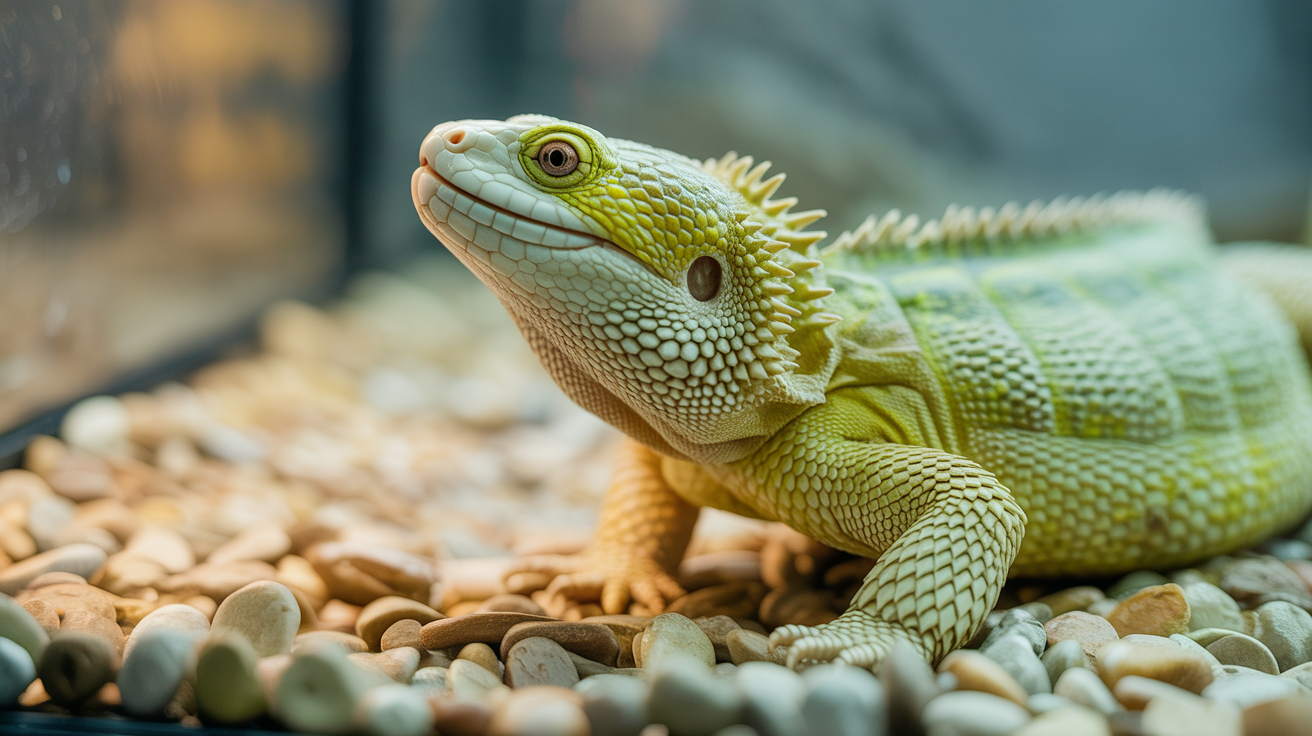
Bringing home a new reptile is exciting, but putting it straight into a tank with your existing animals is one of the most common mistakes beginners make. New reptiles, even those that look perfectly healthy, can carry mites, internal parasites, or the early stages of a respiratory infection without showing obvious symptoms. Quarantine gives you time to catch those problems before they spread.
This guide covers everything you need to set up a proper quarantine, how long to run it, what to monitor, and when to involve a vet.
Why Quarantine Matters
Reptiles are skilled at hiding illness. An animal can carry a significant parasite load or a low-grade respiratory infection while eating normally and appearing active. By the time symptoms become visible, the animal may have already been in contact with your other reptiles for weeks.
The three most common problems that quarantine helps you catch early are:
Mites. Snake and lizard mites (primarily Ophionyssus natricis for snakes) are tiny, fast-moving parasites that spread easily between enclosures via shared tools, your hands, or even airborne movement. A single infested animal introduced to your collection can result in a full-room mite problem within weeks.
Internal parasites. Pinworms, coccidia, cryptosporidium, and various nematodes are common in wild-caught reptiles and some captive-bred animals. Many cause no obvious signs until the animal is stressed or the burden becomes heavy.
Respiratory infections (RI). Wheezing, open-mouth breathing, and mucus around the nostrils are the clearest signs, but early RIs can be subtle. Quarantine lets you observe the animal daily and catch changes in breathing before they become severe. You can read more about what to look for in our guide to signs of a healthy reptile and warning signs of illness.
Setting Up a Simple Quarantine Enclosure
The quarantine setup does not need to be elaborate. The goal is a clean, easy-to-disinfect space where you can observe the animal closely. A basic paper-towel quarantine is the standard approach, and for good reason.
What you need:
- A separate enclosure sized appropriately for the species (a plastic tub or spare glass tank works fine)
- Paper towels as substrate, not sand, soil, or bark chips
- A hide on the cool side and one on the warm side
- An appropriately sized water dish
- A reliable thermometer and hygrometer
Paper towels make it easy to spot changes in feces, shed skin, or discharge that you would miss in loose substrate. They are cheap and disposable, so you can replace them at every cleaning without worrying about waste.
Temperature and humidity still matter during quarantine. A stressed, cold reptile is more likely to develop a secondary infection. Keep the enclosure at the same temperature gradient you would use in a permanent setup for that species. For most commonly kept lizards and snakes, a warm side around 85-90 F (29-32 C) and a cool side of 75-80 F (24-27 C) is a reasonable starting range, but always verify the correct numbers for your specific species. Humidity requirements vary widely; a ball python needs 60-80%, while a bearded dragon does well at 30-40%.
Location matters. Keep the quarantine enclosure in a completely separate room from your existing reptiles if possible. At minimum, keep it on a different surface and never move equipment between the quarantine enclosure and any other tank without disinfecting first.
How Long to Quarantine
The standard recommendation from reptile veterinarians and experienced keepers is 60 to 90 days. Some sources say 30 days is enough, but a longer period gives you a better chance of catching slow-developing problems, and it gives a stressed animal time to settle before a fecal test will give you a reliable result.
A shorter quarantine of 30 days is sometimes acceptable for captive-bred animals from reputable breeders with documented health histories. Wild-caught animals, animals from unknown sources, and animals showing any ambiguous symptoms warrant the full 90 days or more.
Do not rush this step. Introducing an animal to your collection after 30 days when it has a lingering health issue does not save time; it creates a much bigger problem.
What to Monitor During Quarantine
Daily observation is the main job during quarantine. You do not need to handle the animal constantly, but you should check it every day and keep brief notes. Track the following:
Weight. Weigh the animal once a week using a gram scale. Steady or increasing weight is a good sign. Consistent weight loss, even in a small amount week over week, warrants a vet call.
Feces. Paper-towel substrate makes this easy. Normal feces for most reptiles is firm and brown with a white urate portion. Watery stool, unusually strong odor, blood, or visible worms are all reasons to contact an exotics vet promptly.
Appetite. Note what the animal eats and how much. A complete refusal to eat for more than two to three weeks (depending on species and age) is worth discussing with a vet. Some animals go off food when stressed from the move, which is normal for a short period, but extended fasting needs investigation.
Breathing and posture. Watch for open-mouth breathing, wheezing, clicking sounds, or mucus around the nose and mouth. Check for unusual posture, such as a snake that holds its head at an odd angle, which can indicate a neurological or respiratory issue.
Skin and eyes. Look for retained shed, stuck eye caps, or discoloration. Problems with shedding during quarantine can give you early information about hydration levels and overall health. Our guide on how to help a reptile with a stuck or bad shed covers what to do if you run into this during the quarantine period.
Hygiene Practices During Quarantine
How you handle and clean around the quarantine enclosure matters as much as the setup itself.
Handle the quarantined animal last. If you also have existing reptiles, always handle and care for them first, then attend to the quarantine animal. Wash your hands thoroughly before and after each interaction.
Dedicated tools only. Keep a separate set of tongs, water dishes, hides, and cleaning supplies assigned to the quarantine enclosure. Do not share these with any other enclosure, even after washing.
Disinfect properly. A diluted bleach solution (1 part bleach to 10 parts water) or a reptile-safe disinfectant like F10SC works well for cleaning the enclosure and tools. Rinse thoroughly and allow everything to dry completely before the animal goes back in.
Wash your hands. Reptiles can carry Salmonella without appearing ill. Wash your hands with soap and water after handling the animal or anything inside its enclosure, even during routine checks.
Getting a Fecal Test
A fecal parasite exam from an exotics veterinarian is worth doing at least once during the quarantine period, ideally around the 2 to 4 week mark when the animal has had time to settle. The test checks for internal parasites including pinworms, coccidia, flagellates, and other organisms that you cannot see with the naked eye.
Collect a fresh fecal sample (less than 24 hours old if possible), refrigerate it in a sealed container, and bring it to an exotics vet or a veterinary diagnostic lab. Call ahead to confirm what they need and how to prepare the sample.
If the test comes back positive, the vet will prescribe the appropriate antiparasitic medication. Many parasites are treatable with a short course of medication, and catching them during quarantine rather than after the animal joins your collection makes treatment much simpler.
An exotics vet is also the right call if you notice anything unusual during monitoring, not a general practice vet. Reptile medicine is specialized, and a practitioner with experience in herpetoculture will give you much better guidance. You can search for an exotics vet near you through the Association of Reptile and Amphibian Veterinarians (ARAV) directory.
Keeping UVB lighting and proper nutrition consistent during quarantine also protects against conditions like metabolic bone disease, which can develop or worsen when husbandry slips. Our guide on what is metabolic bone disease and how to prevent it explains what to watch for and how diet and lighting factor in.
Frequently Asked Questions
Can I skip quarantine if the animal came from a reputable breeder?
A good breeder reduces the risk, but does not eliminate it. Animals can pick up mites or infections during shipping, at expos, or from stress-triggered illness. Even a healthy animal benefits from a settling-in period where you can observe it without the added variable of your existing animals. A 30-day quarantine is a reasonable minimum for captive-bred animals from known sources.
Do I need a separate room for the quarantine enclosure?
A separate room is ideal, but not always practical. If you cannot manage a separate room, keep the quarantine enclosure as far from your other enclosures as possible, on a different surface, and be strict about not sharing any tools or equipment between them.
My new reptile is not eating during quarantine. Is that normal?
Temporary appetite loss from stress during the first week or two is common. Give the animal time to settle, keep handling to a minimum, and make sure the temperatures and hiding spots are appropriate. If the animal has not eaten after three to four weeks, contact an exotics vet to rule out illness.
Can I handle my new reptile during quarantine?
Yes, gentle handling for short periods is fine once the animal has been in the new enclosure for a few days and appears settled. Limit sessions to five to ten minutes early on. Excessive handling during quarantine adds stress at a time when the animal is already adjusting to a new environment.
How do I know when quarantine is over?
When the animal has completed at least 60 to 90 days without any signs of illness, is eating regularly, maintaining or gaining weight, and has received a clean fecal test, you can consider the quarantine period complete. Introduce the new animal to your collection gradually, and continue monitoring for a few weeks afterward.