Health & Care
When to Take Your Reptile to an Exotics Vet
Learn when your reptile needs a vet visit, how to find a qualified exotics vet, and what to expect at a reptile health checkup.
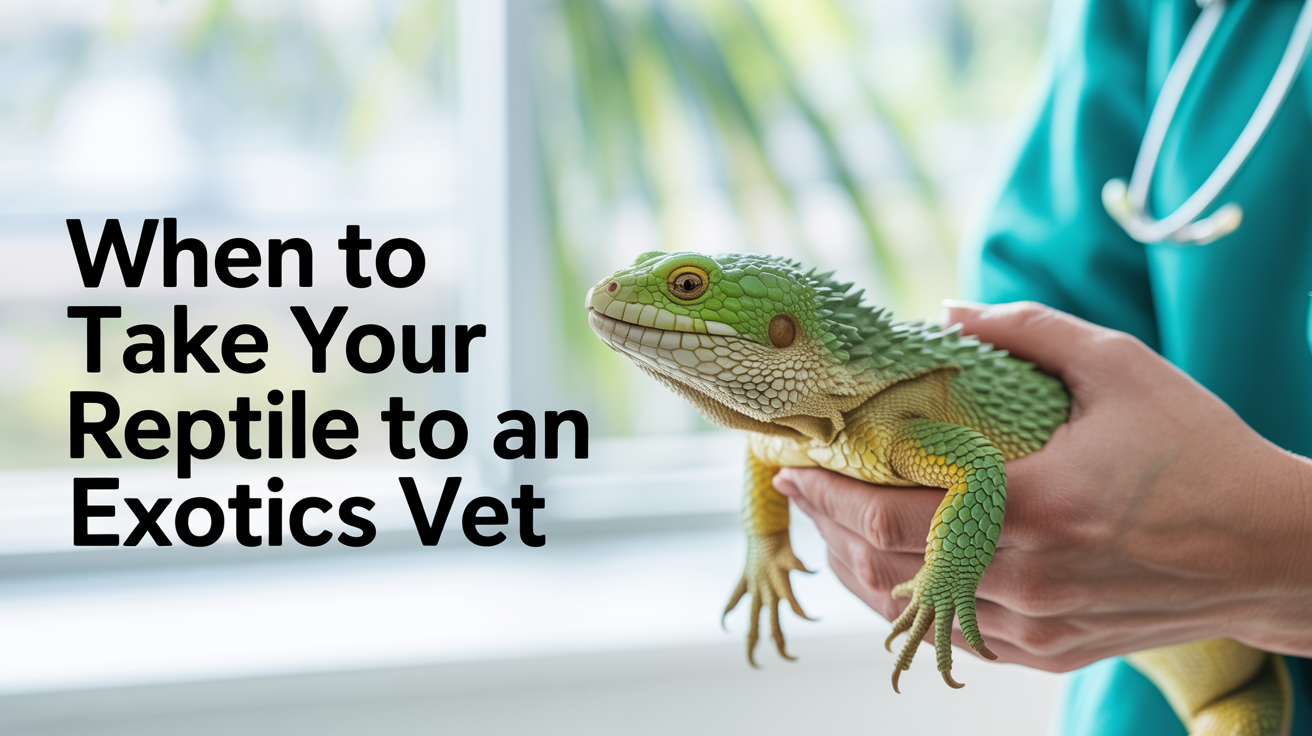
Most reptile keepers discover the hard way that not every vet sees lizards, snakes, or frogs. Dogs and cats are one thing; reptiles belong to a separate branch of veterinary medicine called exotic animal practice, and the skills do not automatically transfer. Finding a qualified exotics vet before your animal gets sick is one of the most practical things you can do as a new keeper. Once you know who to call, recognizing the right moment to make that call becomes much simpler.
Reptiles are also masters of looking fine when they are not. Wild prey animals survive by hiding weakness, and captive reptiles retain that instinct. By the time a bearded dragon or ball python shows outward signs of illness, the problem has often been building for weeks. That is not meant to be alarming, just a reminder that erring toward an earlier visit rather than a later one is almost always the right call.
Signs That Need Immediate Attention
Some symptoms call for a same-day or emergency visit, not a wait-and-see approach. Contact your exotics vet right away if you notice any of the following.
Respiratory distress. Open-mouth breathing in a lizard or a snake that keeps its head tilted upward, makes wheezing sounds, or has visible mucus around the nostrils is a respiratory emergency. Reptiles normally breathe with their mouths closed; open-mouth breathing outside of a brief shed or basking period points to infection or a serious husbandry problem.
Prolapse. Tissue protruding from the cloaca (the reptile's combined urinary, digestive, and reproductive opening) must be seen by a vet within hours. Keep the exposed tissue moist with a clean, damp cloth and get there quickly.
Neurological signs. Head tilting, stargazing (the snake or lizard rolls its neck back and seems to stare at the ceiling), uncontrolled rolling, or loss of coordination indicate brain or spinal involvement. These are not conditions that resolve on their own.
Severe swelling, wounds, or burns. Abscesses in reptiles often feel firm rather than soft, unlike mammalian infections, and they do not usually drain without intervention. Substrate or equipment burns can also be deceptively serious under the surface.
No movement, limpness, or unresponsiveness. If your reptile is not responding to gentle handling during a time when it would normally be active, treat it as an emergency.
Dramatic weight loss over a short period. A snake or gecko that drops noticeable body condition in a few weeks, especially one that is still refusing food, likely has an underlying parasitic, bacterial, or metabolic cause that needs diagnosis.
See the signs of a healthy reptile and warning signs of illness guide for a more detailed breakdown of what to watch for day to day.
Problems That Can Wait a Day or Two (But Not Much Longer)
Not every issue is a 10 PM emergency, but these situations should still be scheduled within a couple of days rather than monitored indefinitely at home.
A shed that has been stuck for more than 48 hours after it began, or retained eye caps (the clear scale over the eye that should come off with the shed), warrants a call. You can try a lukewarm soak at around 85 to 90 degrees Fahrenheit (29 to 32 degrees Celsius) for 15 to 20 minutes to loosen things before the appointment, but do not pull at stuck shed, especially around the eyes. The how to help a reptile with a stuck or bad shed guide covers the home steps in detail.
A reptile that has gone three or more weeks without eating when temperatures, humidity, and husbandry are all correct deserves a vet check. Seasonal behavior and shed cycles can cause short feeding pauses, but persistent refusal points to something else.
Swollen joints, visible lumps under the skin, or a tortoise or turtle that seems unable to retract fully into its shell are worth getting evaluated sooner rather than later.
Suspected metabolic bone disease (MBD) should also prompt a call. Rubbery jaw, difficulty lifting the front limbs, tremors, or spontaneous fractures are all MBD signs. Read more about what metabolic bone disease is and how to prevent it.
Scheduled Checkups and New-Animal Exams
Even a healthy reptile benefits from a regular wellness visit. A baseline exam lets a vet document your animal's weight, muscle condition, eye clarity, and oral health so there is something to compare against when a problem shows up later.
For new animals, a checkup within the first two to four weeks of bringing the reptile home is a good habit. This visit usually includes a fecal exam for intestinal parasites, which are common in wild-caught animals and not rare in captive-bred ones either. Catching parasites early prevents weight loss and more serious illness down the line.
Annual wellness visits work well for most healthy adult reptiles. Juveniles, breeding animals, or species with known health vulnerabilities may benefit from twice-yearly checks. Ask your vet what schedule makes sense for your specific animal.
How to Find a Qualified Exotics Vet
Start with the Association of Reptile and Amphibian Veterinarians (ARAV), which maintains a member directory searchable by location. Members are not automatically board-certified exotic specialists, but ARAV membership signals that reptiles are part of their regular practice, not a once-a-year oddity.
Board-certified exotic animal specialists are a separate category. These vets have completed additional residency training through a recognized specialty program and passed board exams through organizations like the American Board of Veterinary Practitioners (ABVP) with an exotic companion mammal or reptile/amphibian distinction. Not every area has a board-certified specialist nearby, but they are worth the extra drive for complicated cases or surgery.
When you call a clinic, ask directly: "Do you regularly see reptiles, and which species?" A vet who sees a few bearded dragons a month and a vet who sees all herp species multiple times a week have different experience levels. Neither is disqualified by that, but it helps you calibrate.
Local reptile clubs and online keeper communities often maintain informal lists of vets who are well-regarded in the area. These word-of-mouth recommendations, backed by actual case experience, can be more useful than a directory listing alone.
What to Expect at a Reptile Health Checkup
Bring the animal in an appropriate travel container with a secure lid and some substrate for grip. A pillowcase works for snakes; a plastic tub with ventilation holes or the reptile's own transport box works for most others. For cold weather, bring a hand warmer inside a sock placed near (not touching) the container.
Write down the animal's recent history before you go: feeding schedule and what it eats, last shed date, enclosure temperatures on both the warm and cool sides (in Fahrenheit or Celsius, whichever you track), humidity readings, lighting setup and UVB bulb age, and any behavioral changes you have noticed.
A physical exam typically covers weight, body condition, eyes, mouth, skin, muscle tone, and the cloaca. Many vets will recommend a fecal float to screen for parasites, especially at an initial visit. Bloodwork may be suggested for older animals or those showing signs of systemic illness.
Costs vary by region and clinic, but an initial exam with a fecal test generally runs between $75 and $200 at most exotic practices in North America. A new-animal establishment visit is money well spent compared to treating an advanced illness that could have been caught earlier.
Frequently Asked Questions
Can I take my reptile to a regular dog-and-cat vet?
Some general practice vets are comfortable with common species like bearded dragons or ball pythons, but many are not. It is worth calling ahead and asking honestly about their reptile experience. For anything beyond a basic exam, you are better served by someone who sees reptiles regularly.
My reptile seems fine. Do I still need a vet?
A baseline wellness visit is useful even for a visibly healthy animal. Intestinal parasites, early respiratory infections, and the beginning stages of metabolic bone disease can all be present without obvious outward signs. A fecal exam in particular catches problems before they become serious.
How do I get a fecal sample to the appointment?
Collect a fresh sample within 24 hours of the appointment, ideally the morning of the visit. A small sealed container or zip bag works fine. Refrigerate it until you leave. The fresher the sample, the more reliable the parasite screen.
What if there is no exotics vet within reasonable driving distance?
Some exotics vets offer telehealth consultations, which can be useful for triage questions or husbandry advice. For a physical exam or diagnosis, though, there is no substitute for an in-person visit. If you are in a rural area, it is worth identifying the nearest option now so you are not searching in an emergency.
How do I know if my reptile is in pain?
Reptiles rarely vocalize, so pain signals are behavioral. Flattened posture, unusual hiding, flinching or pulling away from a particular area when touched, reduced movement, and loss of appetite are all signals worth taking seriously. If your animal is behaving differently than its normal baseline and you cannot identify an obvious husbandry cause, a vet visit is the right next step.